当然可以!下面是一篇原创英文文章,约800字,包含你要求的标题格式:
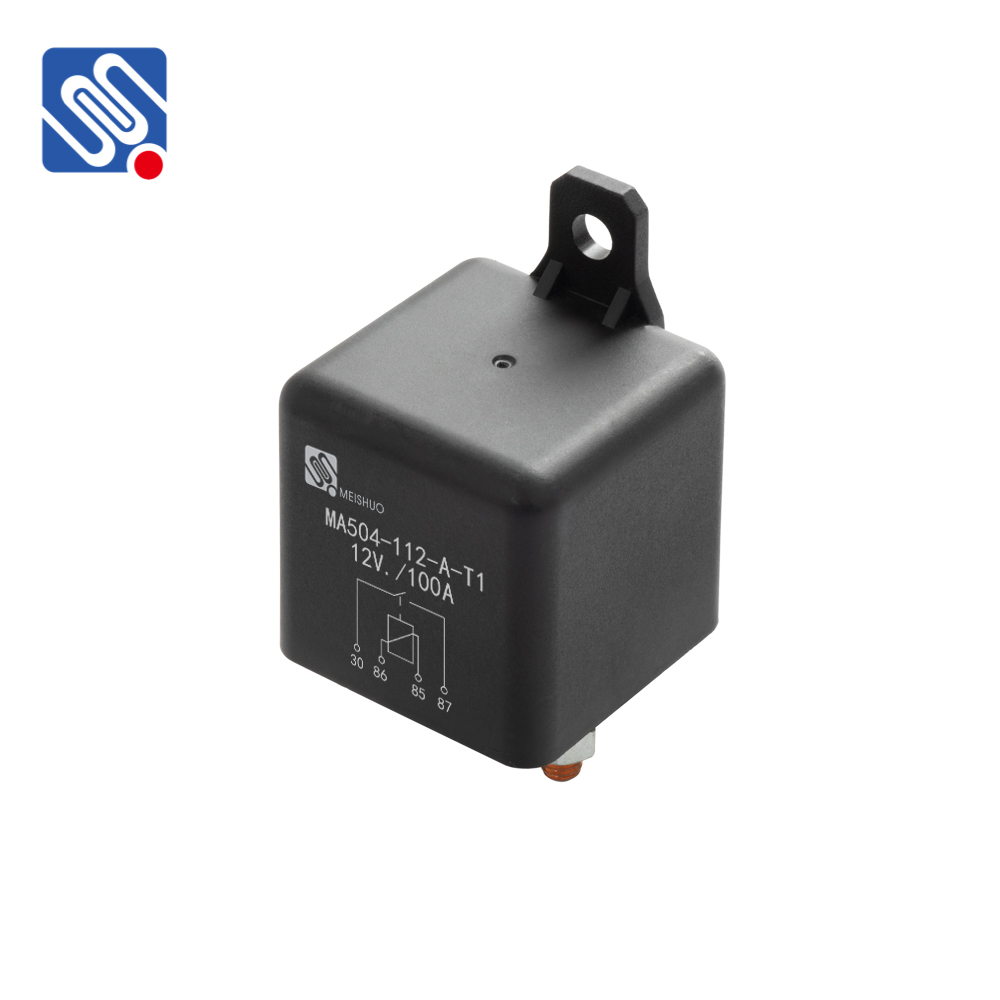
标题: Understanding Relay Load: Types, Applications, and Key Considerations A relay load refers to the electrical load that a relay is designed to control within an electrical circuit. Relays are essential components in modern electrical and electronic systems, acting as electrically operated switches that allow a low-power control circuit to operate a high-power load. Understanding relay load is crucial for ensuring reliable system performance, selecting the correct relay, and preventing premature component failure. Relays can control a variety of load types, and each type imposes different stresses on the relay contacts. The most common load types are resistive, inductive, and capacitive. Resistive loads include devices such as incandescent lamps and heaters. These loads draw a steady current that is proportional to the applied voltage, producing minimal transient effects when the relay operates. Because resistive loads do not generate significant voltage spikes or current surges, they are the easiest to control and typically allow relays to achieve their maximum electrical lifespan.
Leave a Reply