As the world transitions toward more sustainable energy solutions, electric vehicles (EVs) have gained immense popularity. Central to the effective operation of these vehicles is the Supercharger Relay, a crucial component that helps manage high-power charging systems. This article aims to explore what a Supercharger Relay is, how it works, its functions, importance in electric vehicle technology, and its role in ensuring safe and efficient charging processes.
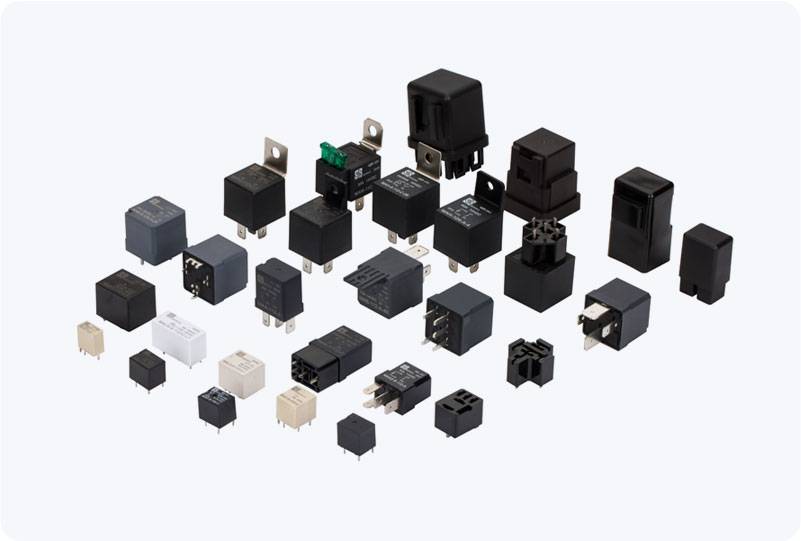
What is a Supercharger Relay? A Supercharger Relay is a type of electrical relay designed to control the flow of high-voltage and high-current electricity in electric vehicle charging systems. It acts as a switch that opens and closes circuits, allowing power to flow to the battery from the charging station. Unlike standard relays, which operate at lower electrical loads, Supercharger Relays are built to handle the high power associated with rapid charging, making them an essential part of the charging infrastructure. How Does It Work? The functionality of a Supercharger Relay is both simple and complex at the same time. When a vehicle is connected to a Supercharger station, the relay senses the demand for power and activates, allowing electricity to flow into the vehicle’s battery. Conversely, when charging is complete or if there are any faults detected in the system, the relay opens, cutting off the electrical flow. This switching mechanism is critical for the protection of the vehicle’s battery and electrical components.
Leave a Reply