A 24V 30A relay is a crucial component in various high-power electrical systems. With its ability to control large electrical loads, it is widely used in industries such as automation, automotive, and power distribution. This article explores the characteristics, working principle, and applications of a 24V 30A relay, providing a deeper understanding of its importance in modern electrical systems.
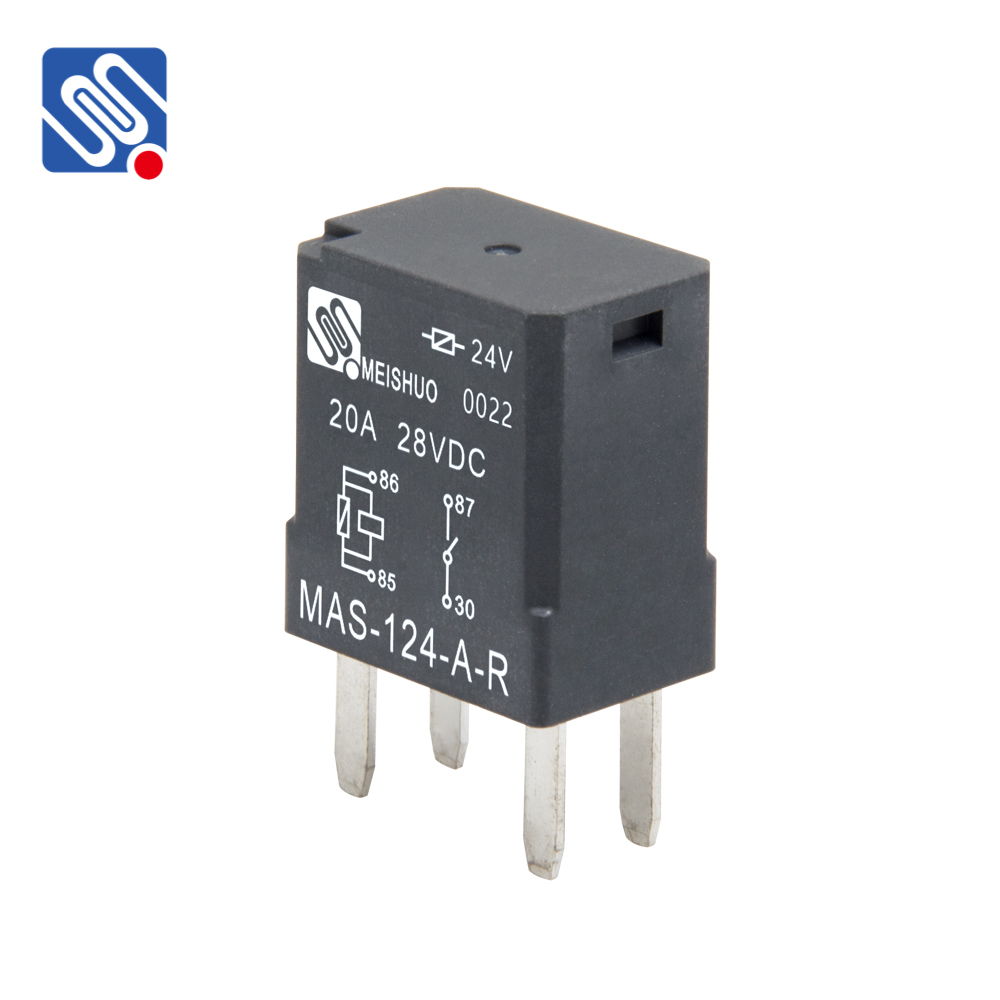
What is a 24V 30A Relay? A 24V 30A relay is a type of electrical switch that uses an electromagnet to control the opening and closing of contacts within a circuit. It is designed to operate with a 24V DC input voltage to the coil and can handle up to 30A of current through the contact points. Relays are often used to control a high-power circuit with a low-power signal, making them indispensable in controlling electrical equipment that requires high current, such as motors, lighting systems, and heating devices. How Does a 24V 30A Relay Work? Relays work on the principle of electromagnetism. When a voltage is applied to the coil of the relay (in this case, 24V DC), it generates a magnetic field. This magnetic field pulls the armature of the relay, causing the contact points to close or open depending on the relay’s configuration (normally open or normally closed contacts). When the voltage to the coil is removed, the magnetic field collapses, and the armature returns to its original position, resetting the contacts.
Leave a Reply