Arc-Free Relays, also known as arc suppression relays, are specialized electrical components designed to significantly reduce or eliminate the occurrence of electrical arcs during switching operations. These relays are particularly valuable in applications that involve high current and voltage, where the generation of arcs can damage the relay’s contacts, leading to reduced reliability and lifespan. As technology continues to advance, the demand for more reliable and efficient electrical components has led to the increased adoption of Arc-Free Relays in various industrial, automotive, and energy systems.
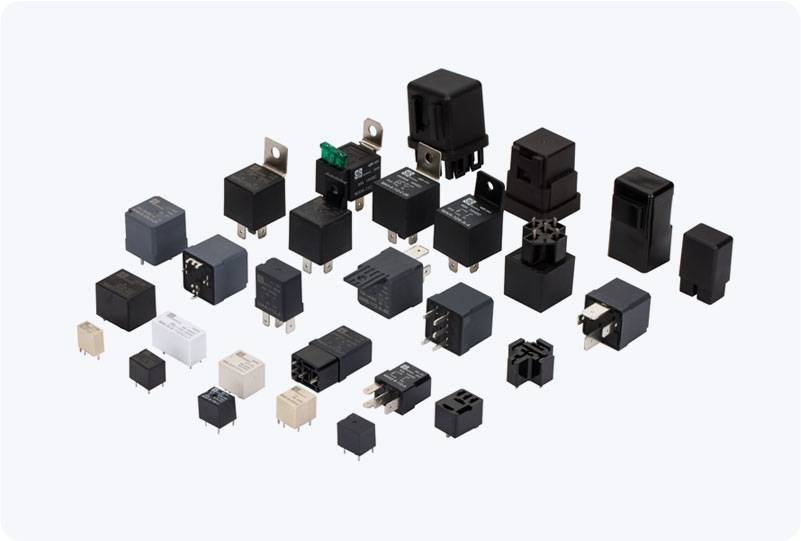
What is an Arc-Free Relay? An Arc-Free Relay is a type of electromagnetic switch that is designed to minimize or entirely eliminate the formation of electrical arcs during the opening or closing of its contacts. Electrical arcs can occur when there is a sudden interruption in the current flow, causing a brief but intense discharge of electrical energy. These arcs can cause severe damage to the relay contacts, resulting in increased wear, corrosion, and even complete failure of the relay. Arc-Free Relays use various methods to suppress or prevent the formation of these arcs. Some of the common techniques include the use of arc suppression materials, specialized contact materials, and advanced designs to control the release of energy during switching operations. By suppressing electrical arcs, Arc-Free Relays not only enhance the longevity of the device but also improve the safety and reliability of the overall system.
Leave a Reply