In today’s world, where comfort and efficiency in temperature regulation is paramount, the adjustable temperature control switch has emerged as a vital component in various applications. This device allows users to maintain their desired temperature settings automatically, ensuring optimal performance of heating and cooling systems. Whether in residential, industrial, or automotive sectors, understanding how adjustable temperature control switches function and their significance can greatly enhance user experience and energy efficiency.
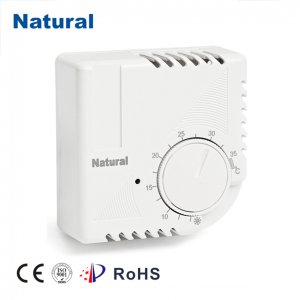
What is an Adjustable Temperature Control Switch?
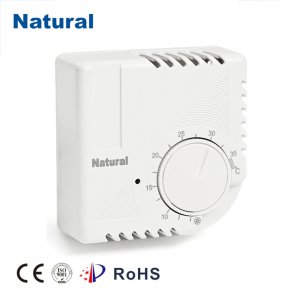
An adjustable temperature control switch is an electronic device designed to monitor and regulate temperature within a specific environment. Equipped with a temperature sensor, this switch can detect real-time temperature changes and respond accordingly by opening or closing an electrical circuit. For instance, if the temperature in a room exceeds the set threshold, the switch can trigger a cooling system to activate, thereby restoring comfort. Conversely, if the temperature drops below a predetermined level, it can turn on a heating device. The Working Principle The operation of an adjustable temperature control switch is relatively straightforward. Most models consist of a temperature sensor, a control mechanism, and a set of adjustable thresholds for temperature settings. When the sensor identifies that the ambient temperature is outside the preset range, it sends a signal to the control mechanism, which then actuates the electrical devices connected to the switch.
Leave a Reply