A 24V thermostat is a popular component in residential and commercial HVAC (Heating, Ventilation, and Air Conditioning) systems, offering an efficient solution for controlling indoor climate. With its ability to work seamlessly with 24V control circuits, this type of thermostat has become a standard in the industry. In this article, we will explore the features, benefits, and applications of the 24V thermostat, providing a comprehensive understanding of its role in modern HVAC systems.
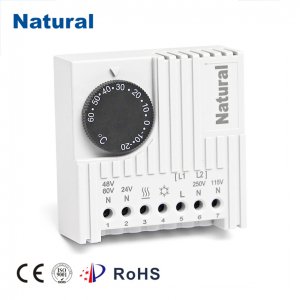
What is a 24V Thermostat?
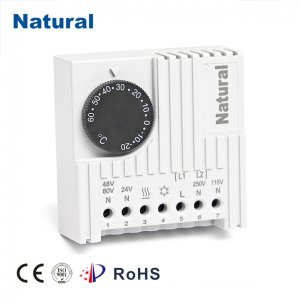
A 24V thermostat is a device that regulates the temperature of a space by controlling the HVAC system. It operates using a 24-volt electrical signal, typically powered by a transformer. Unlike higher voltage thermostats that can be more complex, the 24V thermostat is designed for use with low-voltage control circuits, which are common in residential heating and cooling systems. These thermostats are most commonly used in conjunction with systems such as furnaces, air conditioners, heat pumps, and boilers. How Does a 24V Thermostat Work? The primary function of a 24V thermostat is to maintain a set temperature in a room or building. The thermostat monitors the room temperature through a built-in sensor and compares it to the desired setting. If the room temperature deviates from the set point, the thermostat sends a signal to the HVAC system to either turn on or adjust the heating or cooling output.
Leave a Reply