Relay isolation is a critical concept in electrical and electronic systems, particularly in environments where signal integrity, safety, and protection from high-voltage interference are paramount. The ability to isolate different sections of a circuit or system using a relay provides numerous advantages, especially in industrial, automotive, and communication applications. This article explores the importance, function, and applications of relay isolation, shedding light on how it contributes to system performance and reliability.
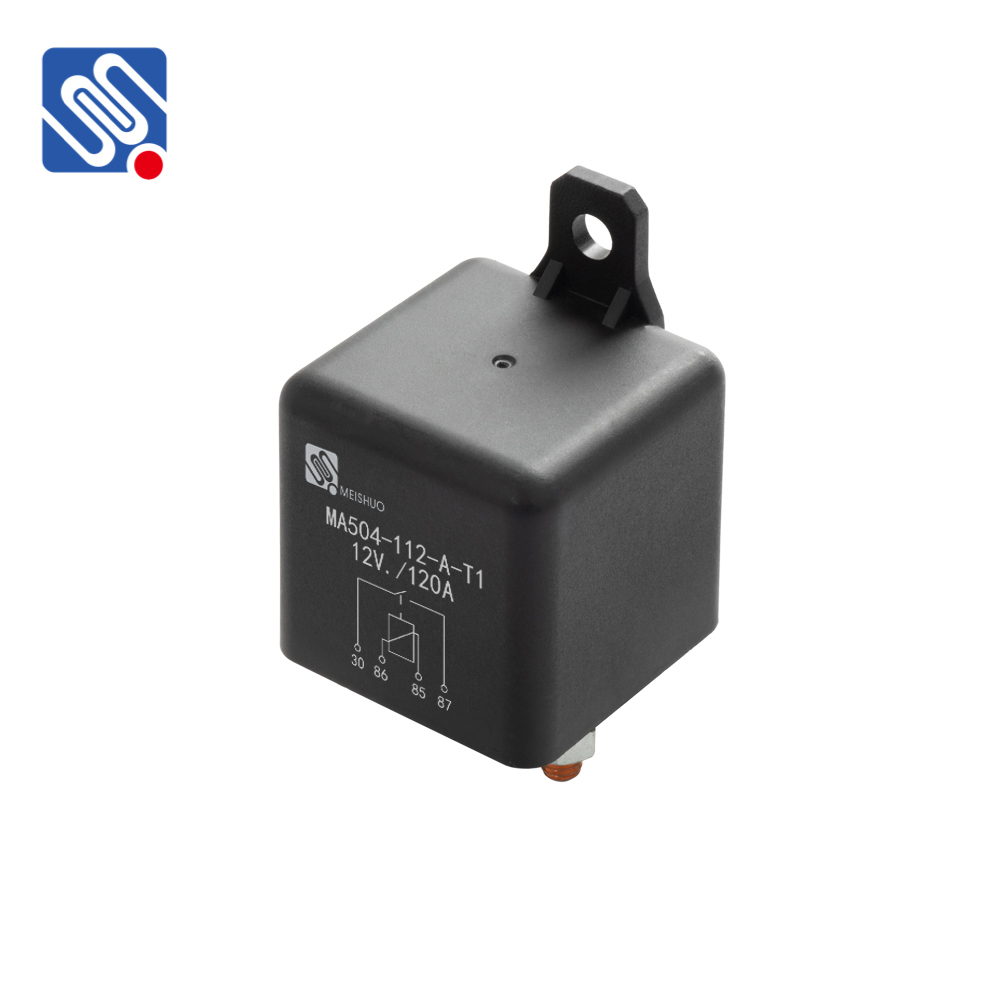
What is Relay Isolation? Relay isolation refers to the technique of using a relay to electrically isolate two parts of a system or circuit while allowing for control signals to be transmitted across the isolation barrier. A relay is an electromechanical switch that opens and closes its contacts in response to an external control signal, typically from a lower-voltage circuit, to control a higher-voltage or higher-current load. The key feature of a relay in this context is that its input and output are electrically separated, which is known as “electrical isolation.” This isolation is crucial for protecting sensitive components from power surges, electrical noise, and potential damage from faults or external disturbances. By ensuring that the control circuit is isolated from the load circuit, relays can provide enhanced safety and reliability in complex systems.
Leave a Reply