Relay demonstrations serve as an engaging and effective educational tool in the field of electronics and electrical engineering. These demonstrations utilize relays, which are electromechanical switches that open and close circuits based on an electromagnetic mechanism. By exploring the principles of relay operation and their practical applications, students and enthusiasts can gain valuable insights into electrical systems and automation. This article will delve into the fundamentals of relay demonstrations, the science behind relays, their applications, and the significance of these demonstrations in learning environments.
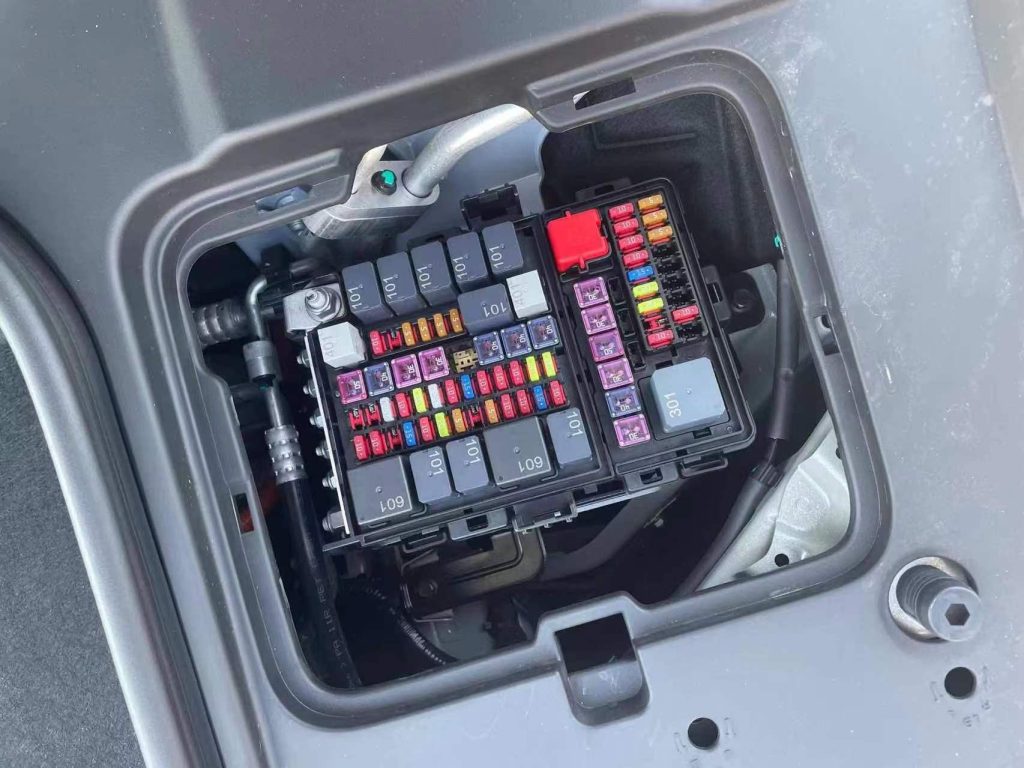
The Science Behind Relays To understand relay demonstrations, it is essential to first grasp how relays function. A typical relay consists of several key components: an electromagnetic coil, a set of contacts, and an armature. When an electric current flows through the coil, it generates a magnetic field that attracts the armature, causing it to move and either make or break a connection between the contacts. The two main types of contacts are normally open (NO) and normally closed (NC), allowing for various control functionalities depending on the relay’s configuration. Relays are available in multiple forms, including electromagnetic relays, solid-state relays, and reed relays, each with its own applications and operational characteristics. The versatility of relays makes them suitable for a diverse range of tasks, from controlling small devices to managing high-power electrical systems.
Leave a Reply