Relay compatibility is a crucial concept in the world of network communication and hardware integration. As technology continues to evolve, ensuring that devices, protocols, and software platforms work together smoothly becomes more important than ever. Whether in networking, IoT, or distributed systems, relay devices act as intermediaries, forwarding signals or data between different entities. However, this forwarding capability is only effective if the relay devices are compatible with the systems they aim to connect. In this article, we will explore the importance of relay compatibility, the challenges involved, and how it affects modern technology solutions.
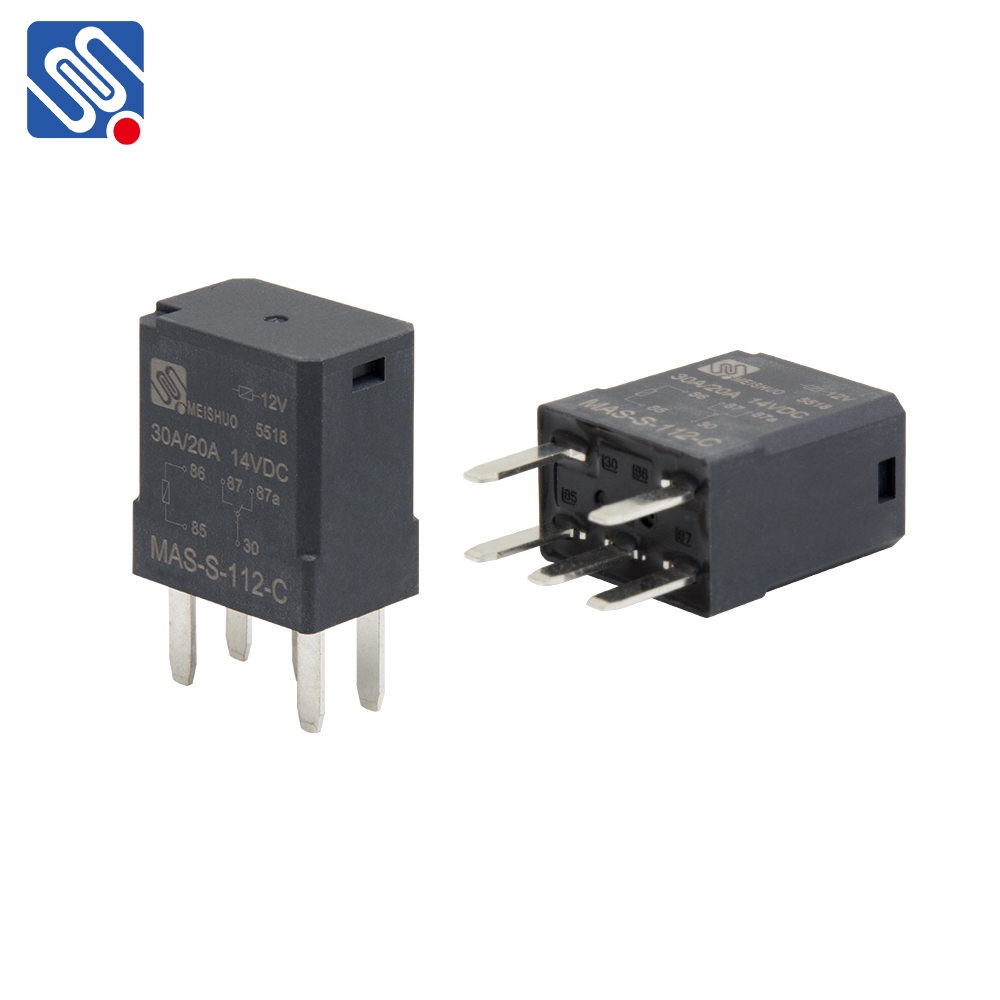
What is Relay Compatibility? At its core, relay compatibility refers to the ability of relay devices to function properly and reliably across different systems, protocols, and technologies. A relay device typically serves as a bridge, passing data or signals from one point to another without altering the content. However, for a relay device to perform this role efficiently, it must be compatible with both the input and output systems it interacts with. In networking, for example, a relay may be responsible for forwarding data packets between devices or networks. If the relay device is not compatible with the network protocols in use, it could lead to data loss, delay, or system failure. Similarly, in hardware, relay compatibility ensures that different devices or components, such as sensors, actuators, and processors, can communicate effectively within a system.
Leave a Reply