A pneumatic actuator is a device that uses compressed air to produce mechanical motion. This motion can be either linear or rotary, depending on the type of actuator and the application. Pneumatic actuators are widely used in various industries due to their simplicity, reliability, and efficiency. In this article, we will explore the working principles of pneumatic actuators, their common applications, and the advantages they offer.
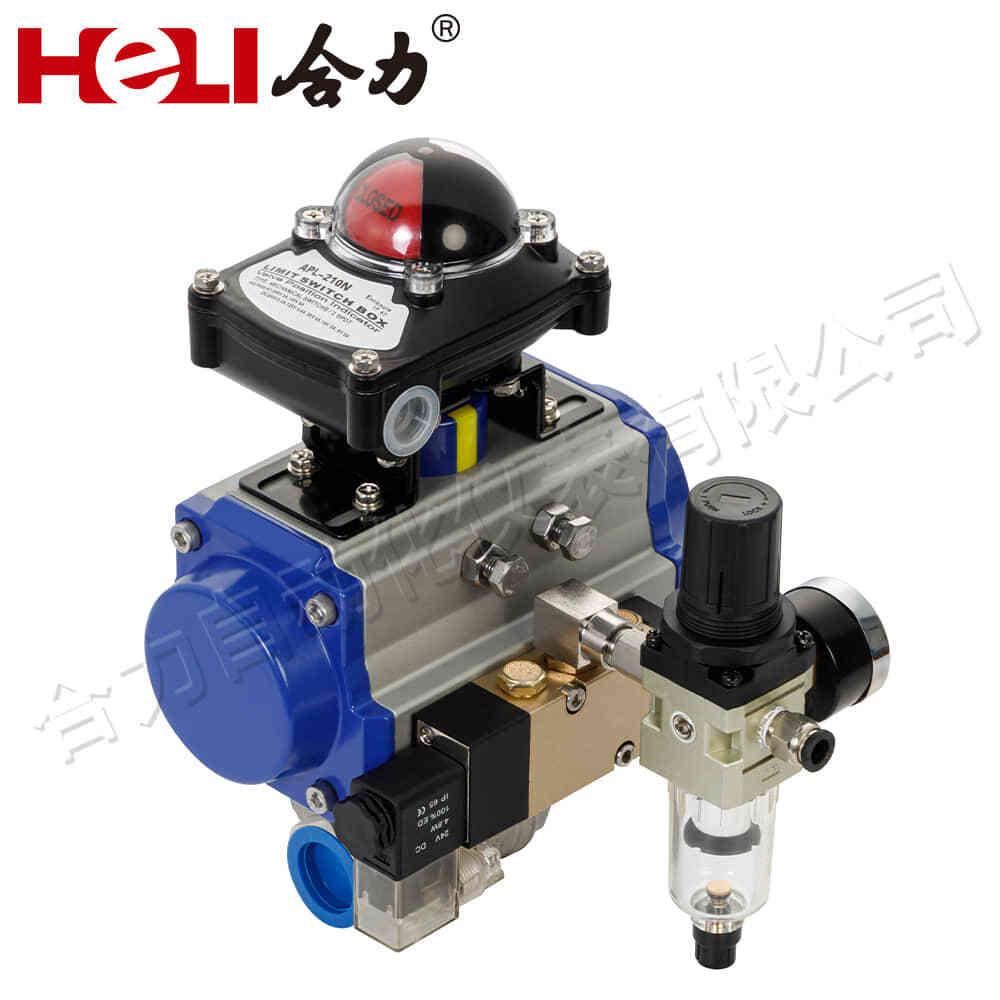
Principles of Pneumatic Actuators
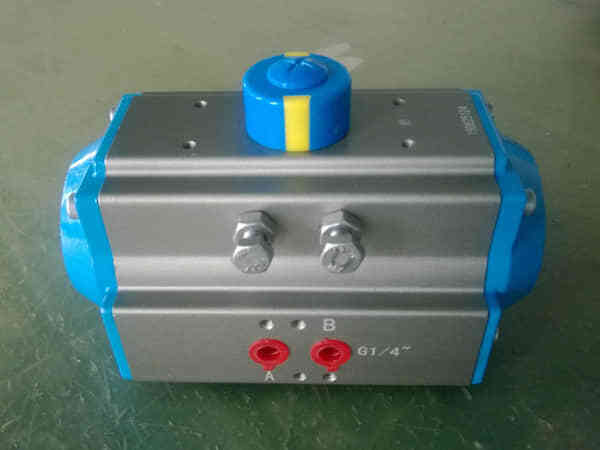
At the core of any pneumatic actuator is the concept of air pressure. Compressed air, typically supplied by an air compressor or a pressurized air tank, enters the actuator’s chamber and causes a mechanical part to move. The movement is driven by the force exerted by the compressed air, and the actuator is designed to convert this force into motion that performs useful work. Pneumatic actuators come in two primary types: linear and rotary. Linear actuators move a part in a straight line, while rotary actuators provide a circular or rotational motion. The most common form of a linear pneumatic actuator is the pneumatic cylinder, which consists of a piston that moves within a cylindrical housing. The pressure inside the chamber forces the piston to move, which, in turn, drives the mechanical load.
Leave a Reply