Programmable Logic Controllers (PLCs) are crucial in automation systems, used extensively in industries like manufacturing, energy, and transportation for controlling machinery, processes, and systems. One of the most important internal components of a PLC system is the Control Relay (CR). In this article, we will explore the role of PLC Control Relays, their functions, and how they are utilized in industrial automation.
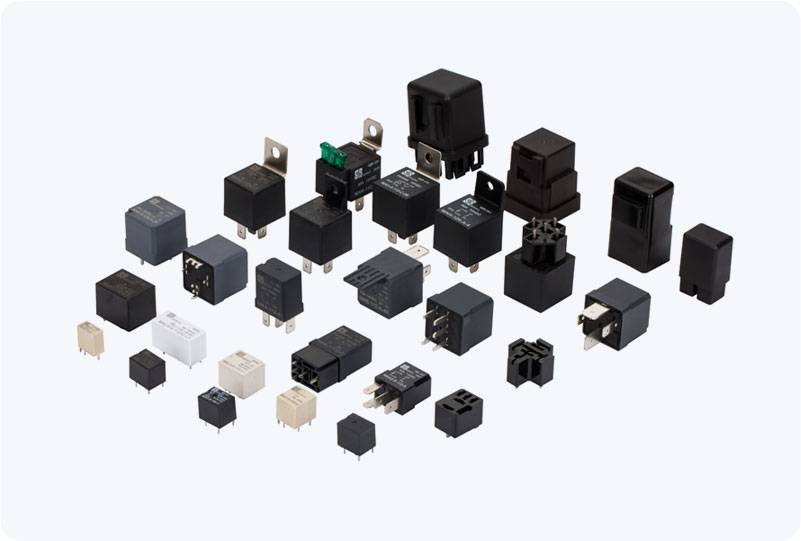
What is a PLC Control Relay? A PLC Control Relay is an internal memory element used in PLC programming. Unlike physical relays that are hardware-based and used for controlling external circuits, a PLC control relay is a software-based entity that exists within the memory of the PLC. It is essentially a bit or flag that can be set or reset based on logical conditions within the PLC program. These relays serve as temporary storage for states or conditions in the control process, allowing for complex logic to be executed without external hardware. PLC control relays are often referred to by various names depending on the PLC manufacturer. For example, M-Registers are used in Mitsubishi PLCs, while Internal Relays or Memory Relays are common in Siemens and Allen-Bradley PLC systems.
Leave a Reply