A Bistable relay, also known as a latching relay or magnetic latch relay, is an advanced type of relay that operates with two stable states. Unlike conventional relays that require continuous power to maintain their state, bistable relays are designed to retain their state until a control signal switches them to the opposite state. This unique feature provides several advantages, especially in applications where power efficiency, reliability, and longevity are critical.
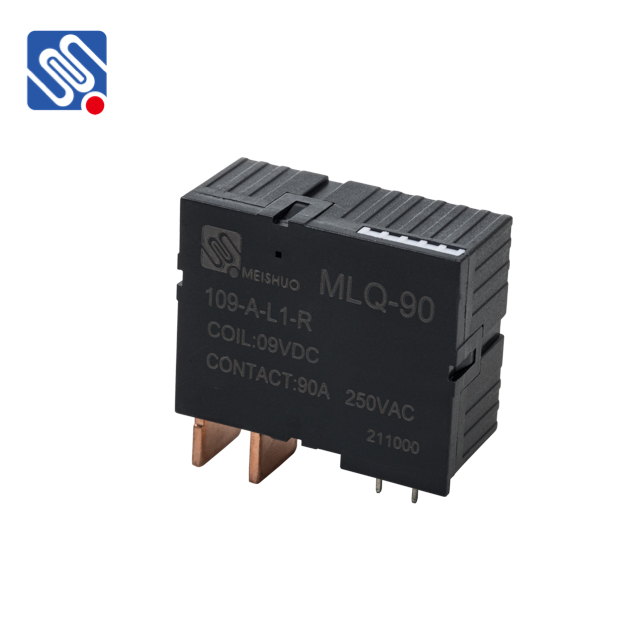
What is a Bistable Relay? A bistable relay is an electromagnetic switch that has two distinct, stable positions: “set” and “reset.” These relays do not require a continuous supply of power to maintain their position, which differentiates them from traditional relays. Once the relay has been activated to a particular state, it will remain in that state even after the activation signal is removed. To switch the relay to the opposite state, a control pulse or signal must be applied, which makes them efficient in terms of energy consumption. Key Features of a Bistable Relay Energy Efficiency: One of the primary features of a bistable relay is its ability to hold a state without the need for continuous current flow. This makes it highly energy-efficient. Unlike standard relays, which need to maintain a constant current to hold their contact position, bistable relays only require power to change states, leading to a significant reduction in energy consumption.
Leave a Reply