In industries across the world, safety is a top priority. One essential safety mechanism that ensures workers’ well-being during maintenance and repair operations is the Lockout-Tagout (LOTO) system, and more specifically, the use of LOTO tags. These tags play a crucial role in safeguarding employees from the dangers of unexpected equipment startups and energy releases. The importance of LOTO tags cannot be overstated, as they provide a clear and visual warning to workers and contractors, indicating that machinery is inoperable or under maintenance. This article delves into the significance of LOTO tags in workplace safety, their role in compliance, and best practices for their effective use.
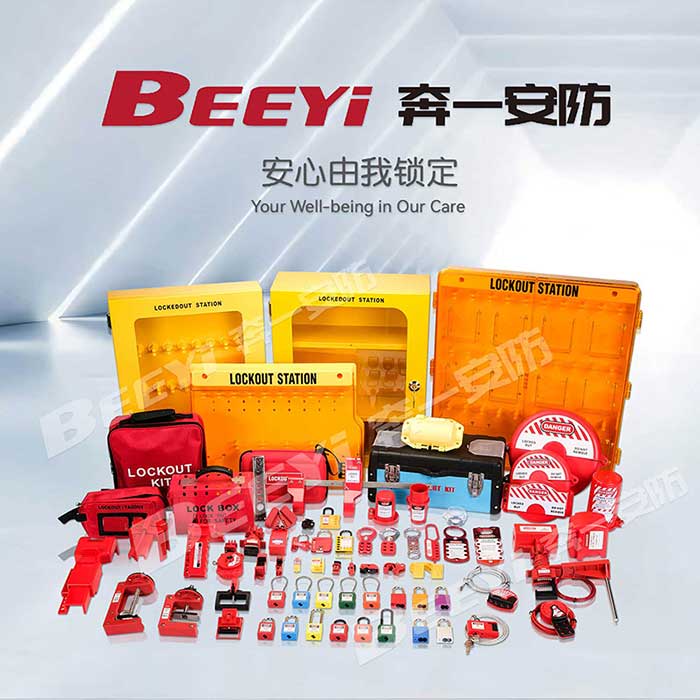
What Are LOTO Tags? LOTO tags are part of a comprehensive Lockout-Tagout safety procedure, which is designed to prevent the accidental release of hazardous energy during service and maintenance tasks. The procedure typically involves locking out a machine or piece of equipment with a physical lock, while a corresponding tag is placed on the device to communicate its inoperable status. Unlike locks, which physically prevent the machine from being operated, LOTO tags serve as visual alerts and act as a reminder to workers that they should not engage the machine. These tags are often brightly colored and include clear, bold text to ensure that they are visible and legible. The tag will typically feature specific details such as the person who has placed the tag, the date and time, and the reason for the lockout. Some tags are designed to be durable, resistant to fading or tearing, while others may be disposable for one-time use during a particular maintenance session.
Leave a Reply