In industrial environments, ensuring worker safety during maintenance is critical. One of the key practices in maintaining a safe working environment is the proper use of Safety Lockout Kits. These kits are designed to prevent accidental equipment startup while maintenance or repair activities are underway, significantly reducing the risk of injuries. This guide provides a comprehensive overview of how to effectively install and use Safety Lockout Kits to safeguard workers and equipment.
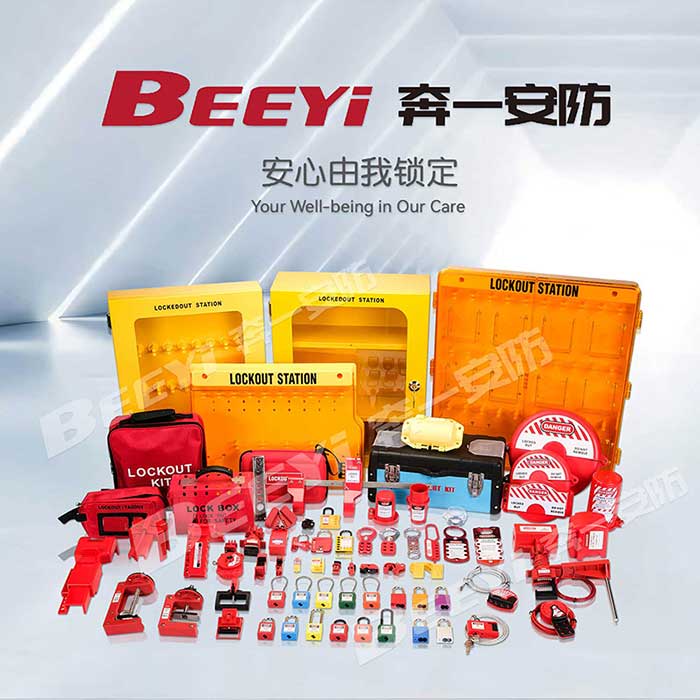
What Are Safety Lockout Kits? Safety Lockout Kits are tools used to secure energy-isolating devices, ensuring that machines or equipment are completely powered down and cannot be restarted until maintenance is finished. These kits typically include various types of locks, tags, and other devices such as hasps, valve locks, and breaker lockouts. The primary goal of these kits is to prevent workers from coming into contact with hazardous energy during service operations. Why Is It Important to Use Lockout Kits? Using a Lockout/Tagout (LOTO) system is crucial for complying with safety regulations, such as OSHA’s Lockout/Tagout Standard (29 CFR 1910.147). A proper lockout system eliminates the risks of unintentional equipment startup, electrical shock, or other hazards that could cause severe injury or even death. Safety Lockout Kits ensure that all energy sources are isolated before a worker starts any maintenance work, providing a clear indication of who is working on the equipment and when it will be safe to resume operation.
Leave a Reply