In modern vehicles, electrical systems play a crucial role in the functioning of many essential components. From headlights to air conditioning, the proper functioning of these systems depends on the smooth flow of electricity. To ensure these components operate safely and efficiently, two critical electrical components are commonly used in automobiles: relays and fuses. Although both of these components help manage electrical circuits, they serve different purposes and function in distinct ways. In this article, we’ll explore the differences between relays and fuses in cars, their roles, and why both are necessary for vehicle safety.
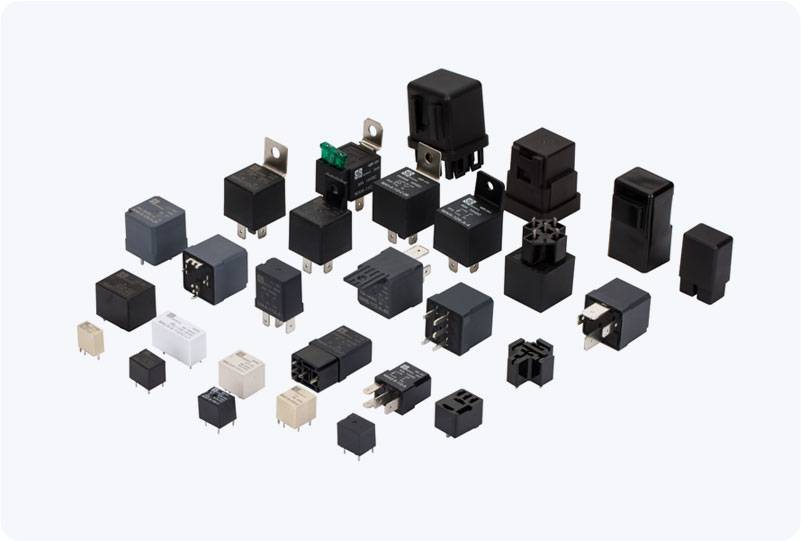
What is a Relay? A relay is an electrical switch that uses a low-voltage signal to control a higher-voltage current. Essentially, a relay acts as an intermediary device that enables a small electrical current to control a much larger electrical load, allowing for efficient and safe operation of high-power components in a vehicle. Relays are typically used in car circuits that control devices like headlights, air conditioning systems, electric windows, and even the starter motor. Relays operate through an electromagnetic mechanism. When a small current flows through the coil of the relay, it creates a magnetic field that pulls a set of contacts together, completing the circuit for a higher current. This allows the vehicle’s computer system or other components to send a low-power signal to activate large electrical devices without directly handling the large current.
Leave a Reply