Relay isolation is a crucial concept in modern electrical and electronic systems. By separating control circuits from load circuits, relay isolation prevents potential damage to sensitive components and ensures the safe and reliable operation of devices. This technique is used extensively in applications ranging from industrial automation to telecommunications, where maintaining the integrity of signals and protecting equipment from high-voltage surges is essential.
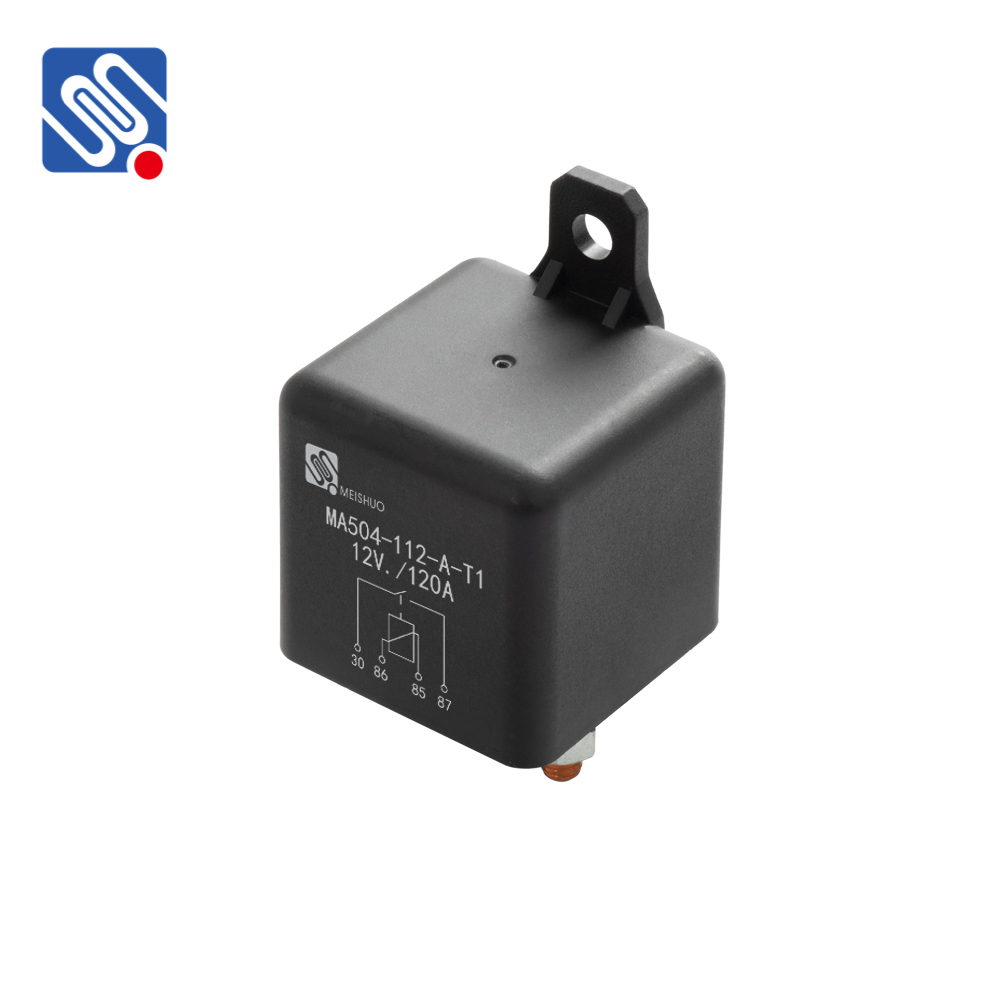
What is Relay Isolation? Relay isolation refers to the process of using a relay to electrically separate two parts of a circuit. A relay acts as an electromagnetic switch that can control a higher-power circuit using a low-power control signal. The key feature of relay isolation is the physical barrier it creates between the input (control) side and the output (load) side. This isolation ensures that any high voltage or electrical noise on the load side does not affect the control side, protecting sensitive electronic components. The Importance of Relay Isolation Protection of Sensitive Equipment: The most significant advantage of relay isolation is the protection it offers to low-voltage circuits from high-voltage spikes or surges. In many industrial applications, control systems operate at low voltages, often in the range of 5V to 24V, while the load circuits may require higher voltages, such as 110V or 220V. Without proper isolation, electrical interference or voltage spikes could damage delicate control circuits, leading to system failures or costly repairs.
Leave a Reply