The transition to renewable and sustainable energy sources is one of the most important global goals for reducing carbon emissions and combating climate change. Among the various technologies that promise to revolutionize the energy sector, hydrogen energy stands out as a clean and efficient solution. As industries seek to adopt hydrogen fuel as a cleaner alternative, the role of critical components such as valves becomes essential. One such innovation is the Hydrogen Energy Electric V-Ball Valve, a specialized valve designed to regulate the flow of hydrogen gas in various applications, particularly in fuel cells, hydrogen refueling stations, and energy storage systems. This article delves into the significance, function, and benefits of this crucial valve in the context of hydrogen energy systems.
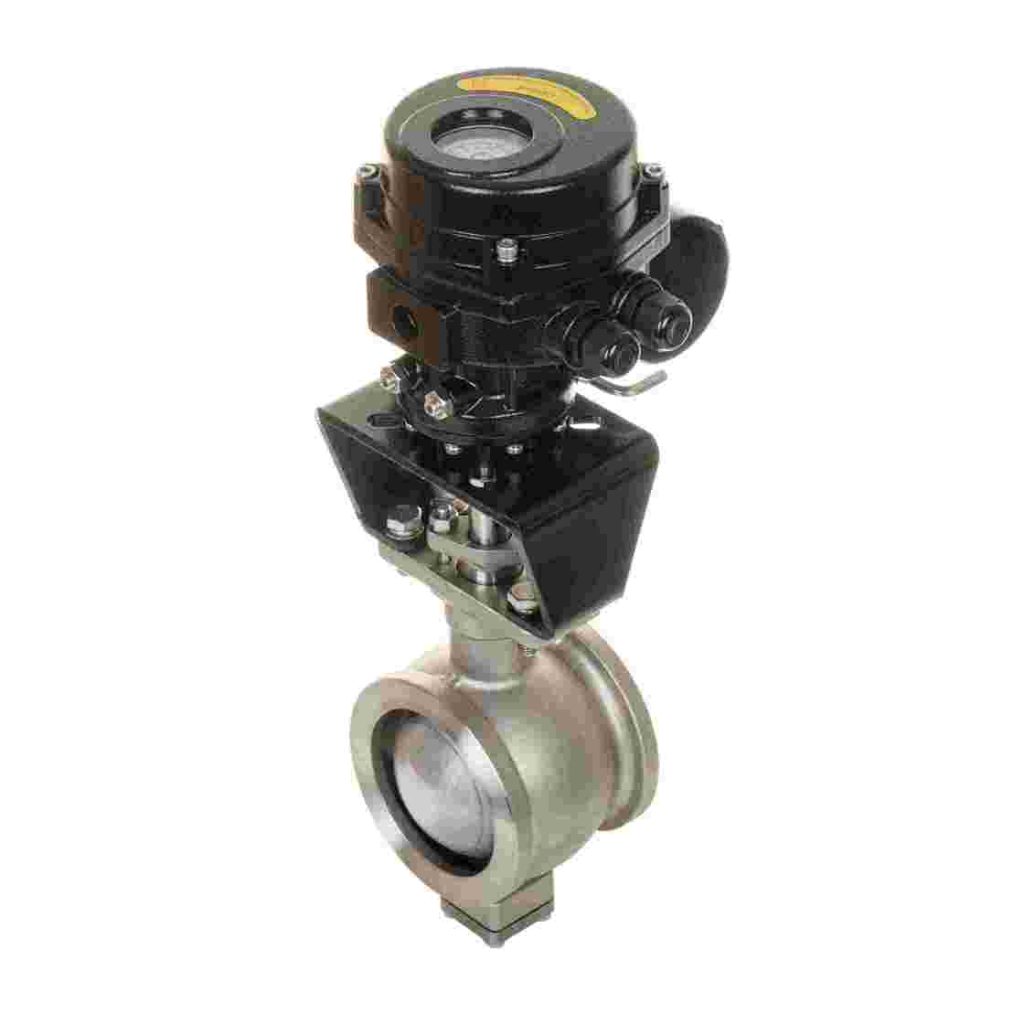
What is a Hydrogen Energy Electric V-Ball Valve?
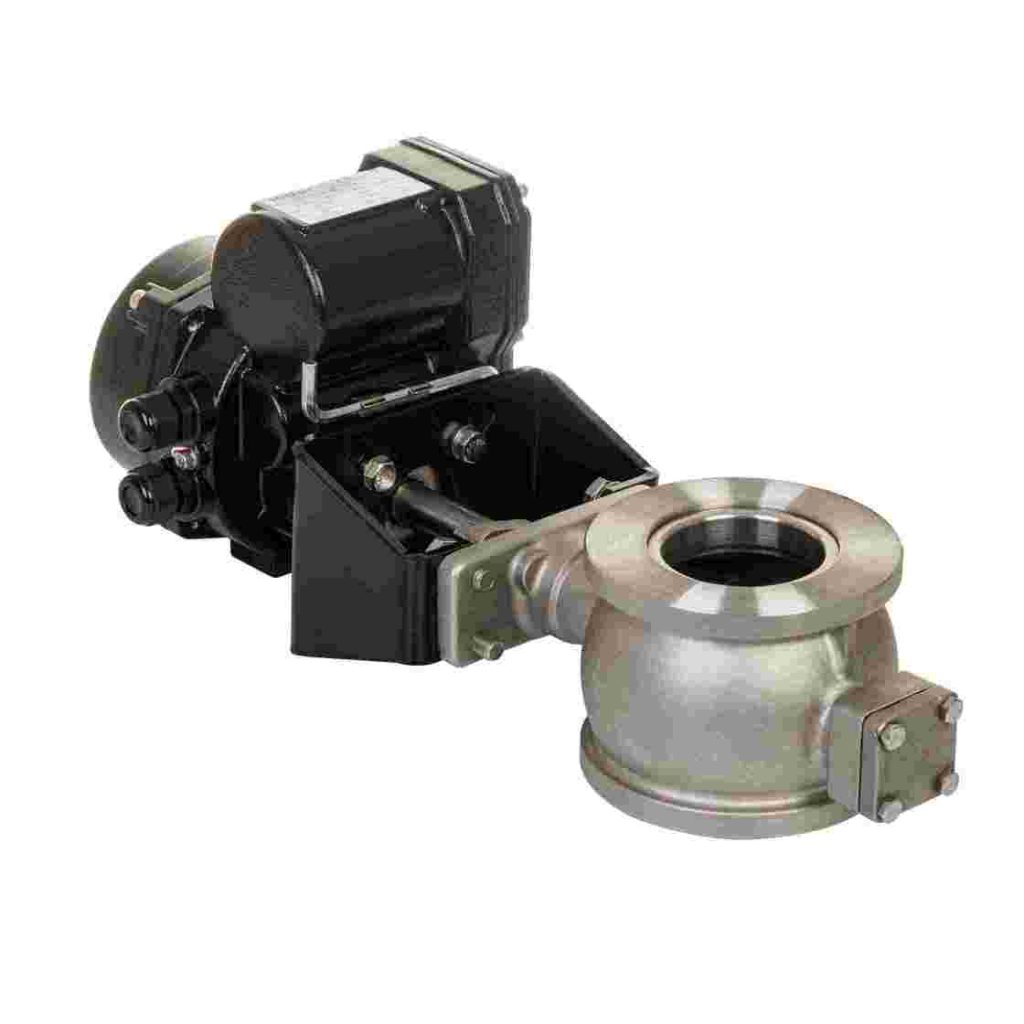
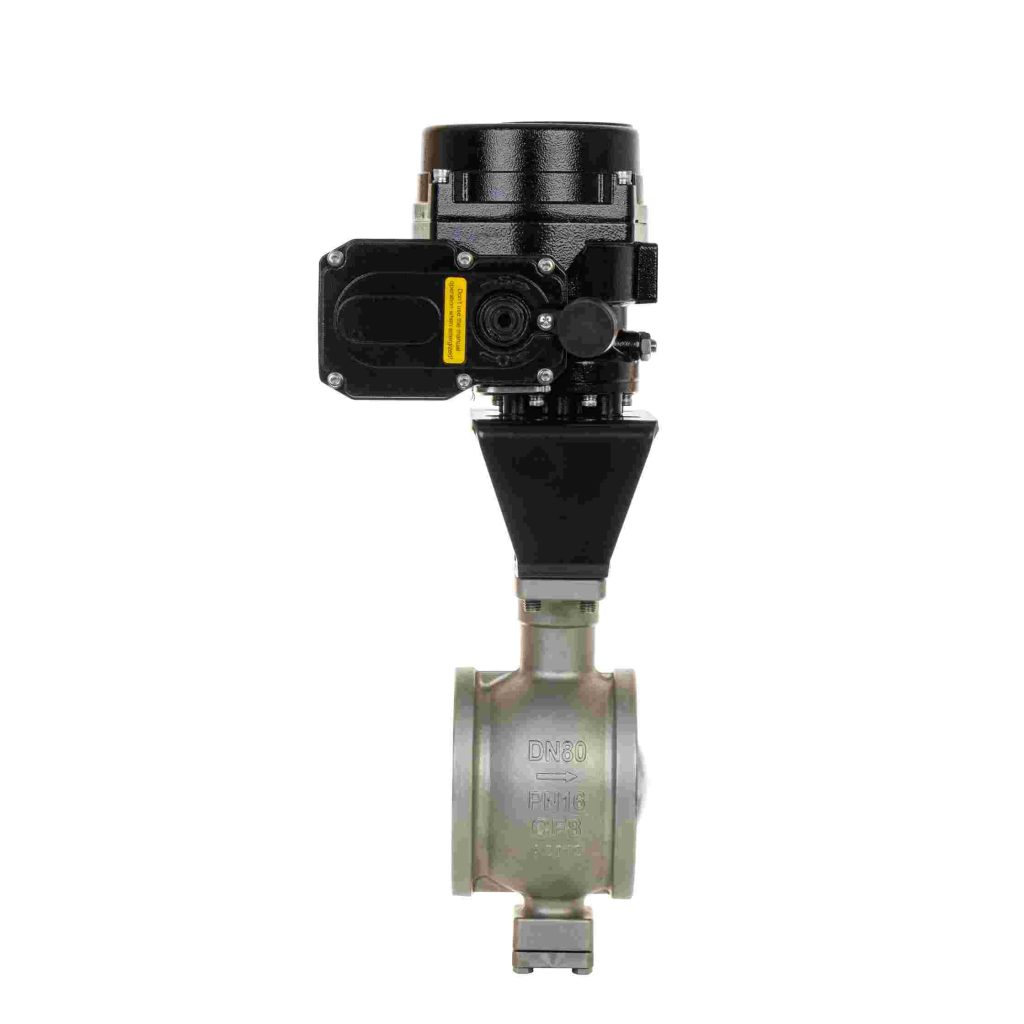
A Hydrogen Energy Electric V-Ball Valve is a type of control valve used in hydrogen energy systems to regulate the flow of hydrogen gas. The “V” refers to the valve’s design, which features a V-shaped ball that allows for precise flow control. The ball valve is driven by an electric actuator, enabling automatic operation and integration with sophisticated control systems. These valves are specifically engineered to handle the unique properties and challenges associated with hydrogen gas, including its flammability, low viscosity, and potential for leakage. The valve’s main function is to open or close the flow of hydrogen gas as required, ensuring optimal operation of hydrogen-powered systems. Whether used in fuel cells, hydrogen transportation, or storage systems, the ability to control the flow of hydrogen is crucial to maintaining efficiency, safety, and reliability.
Leave a Reply