The 12V 30A relay stands as a vital component in the realm of electrical and electronic control systems. Due to its robust specifications, this relay finds extensive use in a variety of applications, including automotive, industrial, and consumer electronics. In this article, we will delve deep into the essential features, working principles, applications, benefits, and considerations when utilizing a 12V 30A relay.
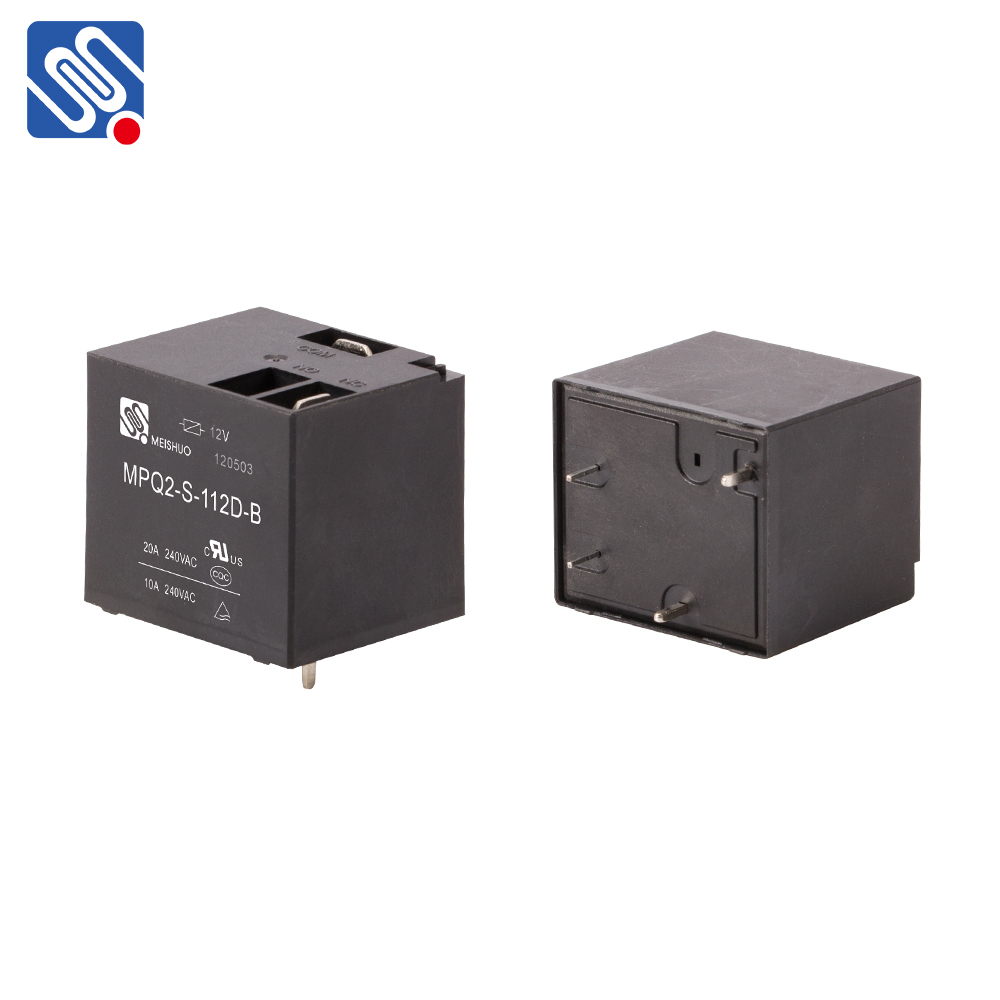
What is a 12V 30A Relay? A relay is an electromechanical switch that uses an electromagnet to open or close contacts in an electrical circuit. The term “12V 30A relay” refers to a relay that operates on a 12-volt supply and can handle load currents of up to 30 amperes. It typically consists of a coil, an armature, and contacts. Working Principle The mechanism of a relay is relatively simple yet effective. When a 12V voltage is applied to the coil of the relay, it generates a magnetic field that attracts the armature. This movement closes or opens the contacts, allowing electricity to flow through the connected load circuit. When the voltage is removed, the magnetic field dissipates, and a spring returns the armature to its original position, either reopening or closing the contacts based on the relay’s configuration.
Leave a Reply