The solenoid valve for liquid control is a crucial component in various industrial systems, offering automated regulation of liquid flow, pressure, and direction. This device works through electromagnetic principles, providing an efficient and reliable means to control the passage of liquids in diverse applications, ranging from water treatment to chemical processing. Understanding its structure, function, and applications is vital for industries that depend on fluid management systems. This article explores the significance of solenoid valves in liquid control, their working principle, components, and practical uses.
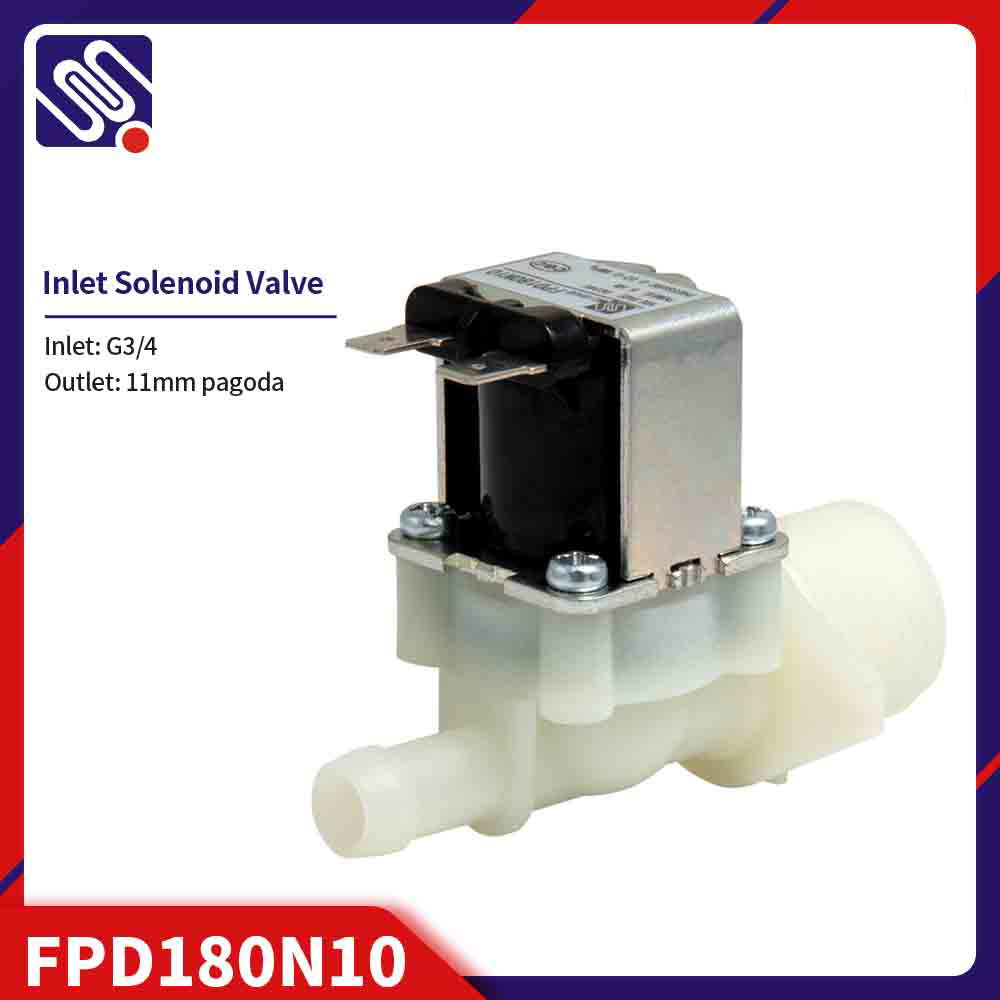
Working Principle At the core of the solenoid valve for liquid control is the electromagnetic solenoid coil, which, when energized, generates a magnetic field. This magnetic force acts on a valve mechanism that opens or closes the valve to either allow or restrict the flow of liquid. The solenoid valve typically comes in two configurations: Normally Closed (NC) and Normally Open (NO). Normally Closed (NC) solenoid valves remain closed in their unpowered state, ensuring that the flow of liquid is stopped until an electric current is passed through the solenoid coil. This action causes the valve to open, allowing the liquid to flow.
Leave a Reply