In the evolving landscape of industrial automation and fluid control, the role of electric pinch valves has gained significant importance. These valves, known for their unique design and functionality, are essential components in various industries, including pharmaceuticals, food and beverage, water treatment, and chemical processing. This article explores the significance of electric pinch valve manufacturers, their contributions to the industry, and the future prospects of this technology.
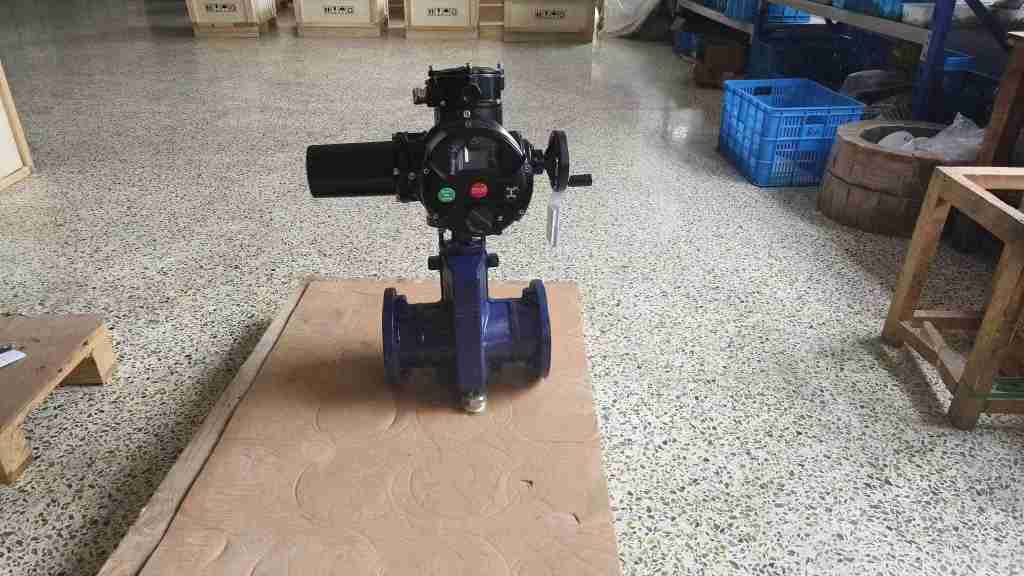
Understanding Electric Pinch Valves Electric pinch valves operate by mechanically pinching a flexible tube or liner, which controls the flow of fluid through the valve. This method of operation allows for precise control over the flow rate, making these valves ideal for applications where maintaining the integrity of the fluid is critical. Unlike traditional valves, which may use rotating or sliding mechanisms, pinch valves are particularly suited for handling slurries, viscous fluids, and even abrasive materials. The primary components of an electric pinch valve include the actuator, the pinch mechanism, and the body. The actuator, often an electric motor, provides the necessary force to pinch the tube, while the body houses the pinch mechanism and supports the entire assembly. This simple yet effective design results in low maintenance requirements and reliable operation over extended periods.
Leave a Reply