Relays are essential components in both electrical and communication systems. Whether used in industrial automation, telecommunications, or automotive applications, relays help control circuits by opening or closing contacts in response to an input signal. Understanding relay specifications is crucial for ensuring the proper selection and optimal performance of relays in various applications. In this article, we will delve into the key factors that define relay specifications and what to look for when selecting a relay.
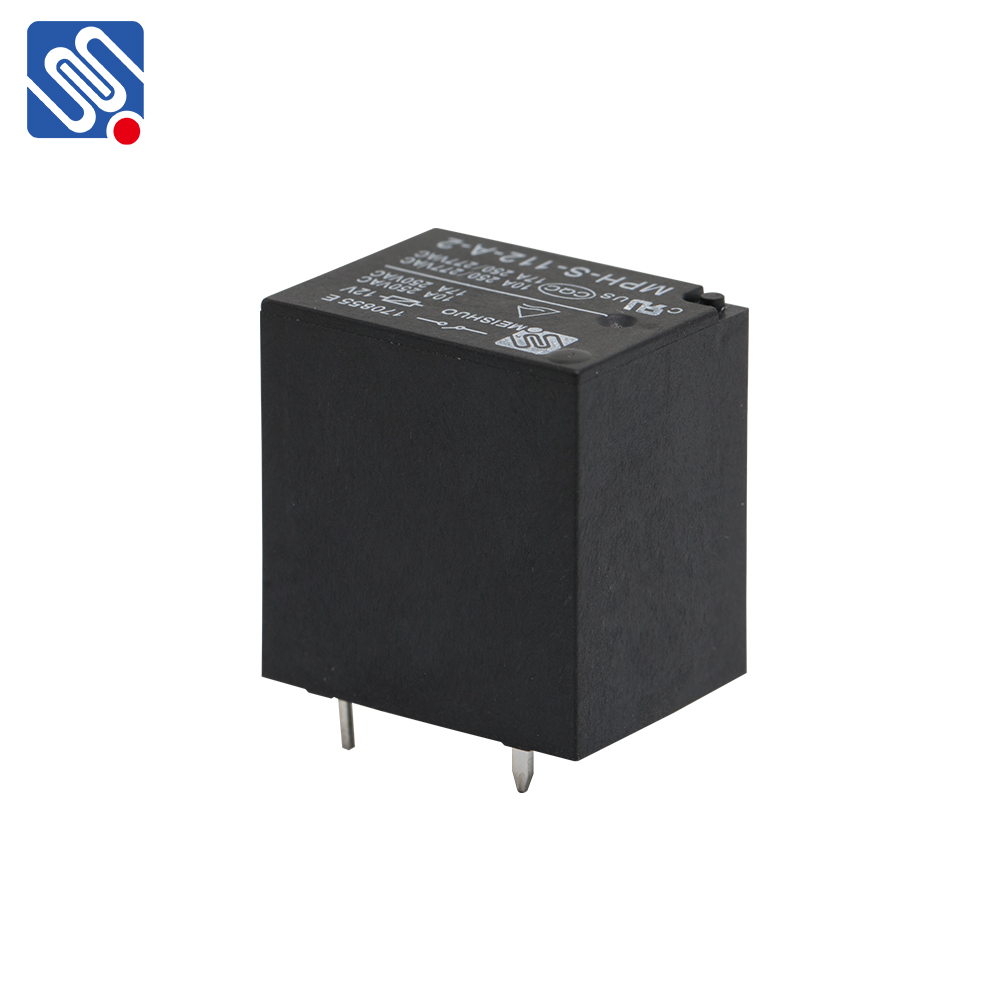
What Are Relay Specifications? Relay specifications refer to the technical parameters that define how a relay performs under different conditions. These specifications guide engineers in choosing the right relay for a particular application. Common relay specifications include rated voltage, current, contact configuration, response time, mechanical and electrical life, and insulation resistance. Key Relay Specifications Rated Voltage and Current: The rated voltage and current are perhaps the most important specifications for a relay. The rated voltage indicates the maximum voltage the relay can handle without damage, while the rated current defines the maximum current the relay can safely carry. These values must be compatible with the operating circuit to avoid malfunction or even failure of the relay.
Leave a Reply