In the realm of agricultural irrigation, the importance of efficient water management cannot be overstated. One critical tool that facilitates this efficiency is the WCB Electric Butterfly Valve. Designed to provide precise control over water flow, this valve stands out as an essential component in modern irrigation systems. In this article, we will explore the features, benefits, and applications of the WCB Electric Butterfly Valve in agricultural irrigation.
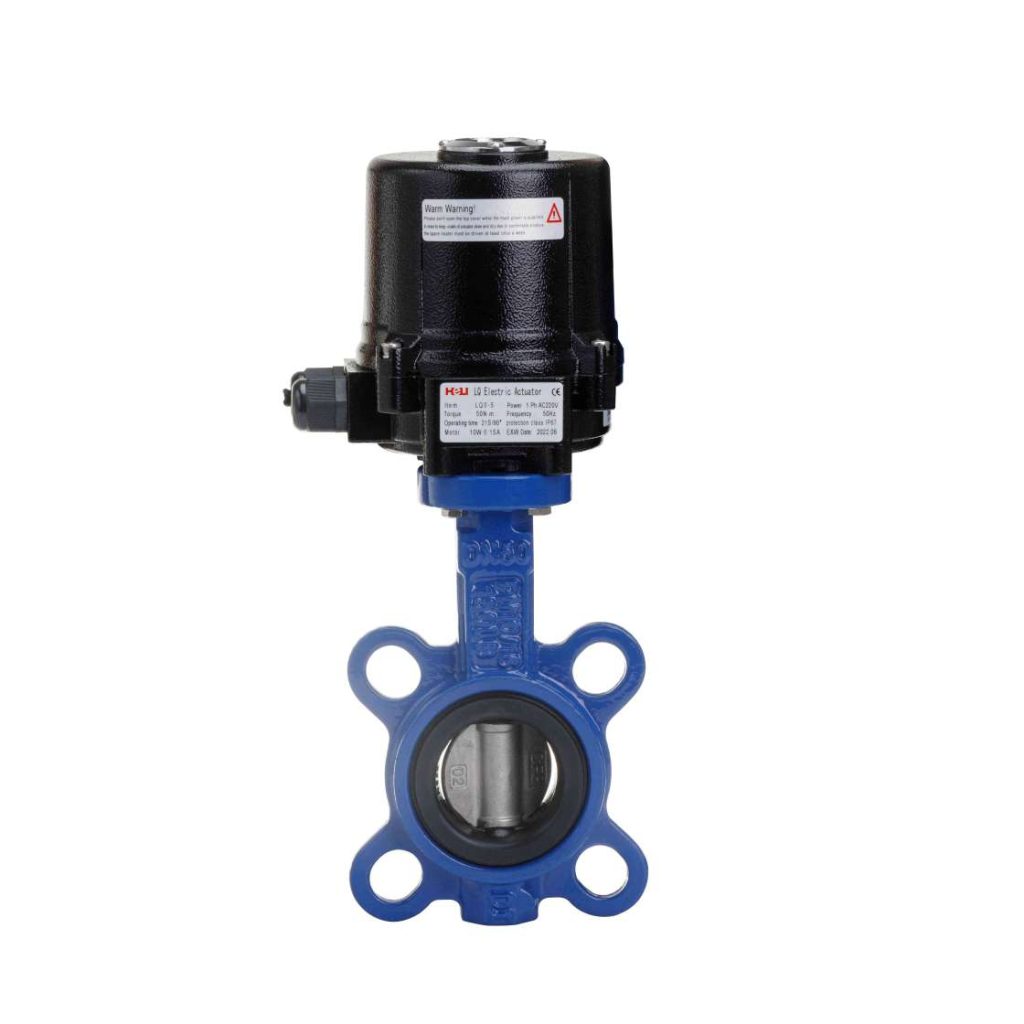
Understanding the WCB Electric Butterfly Valve
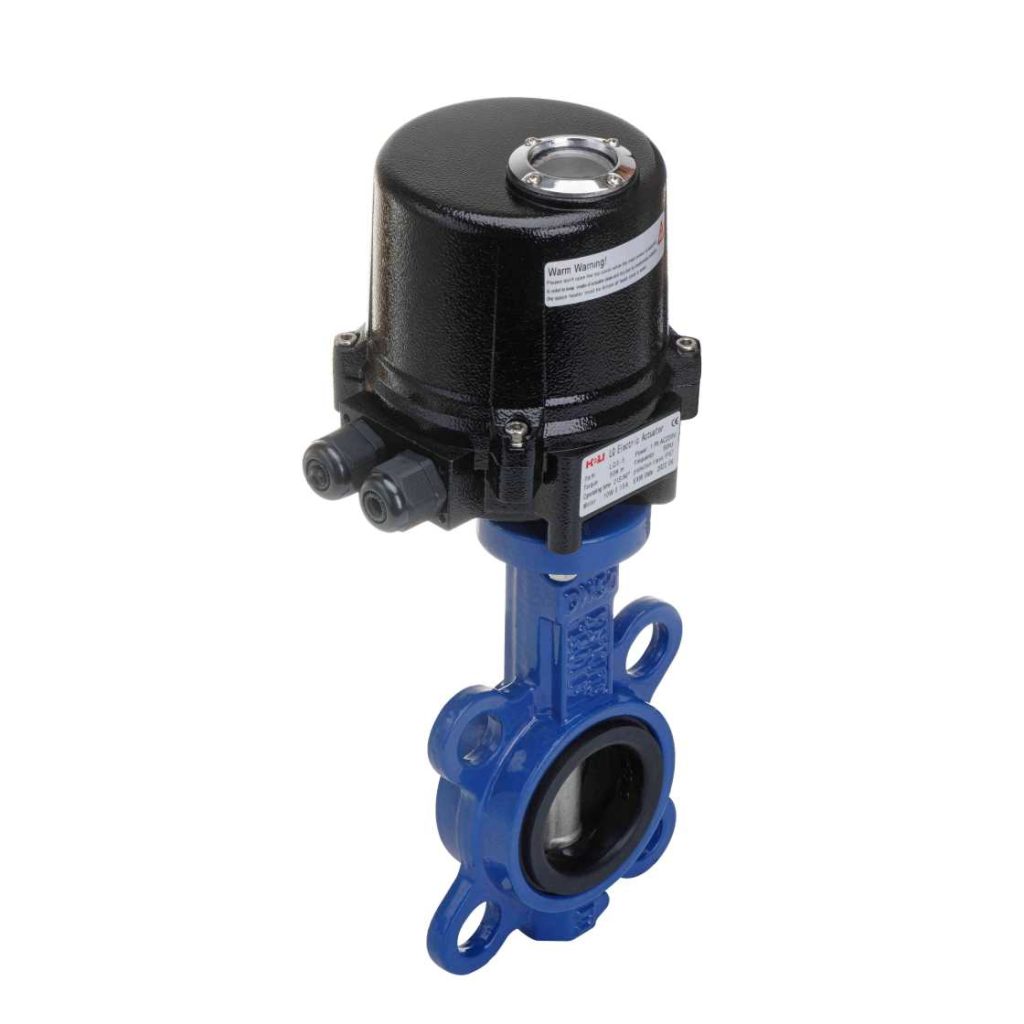
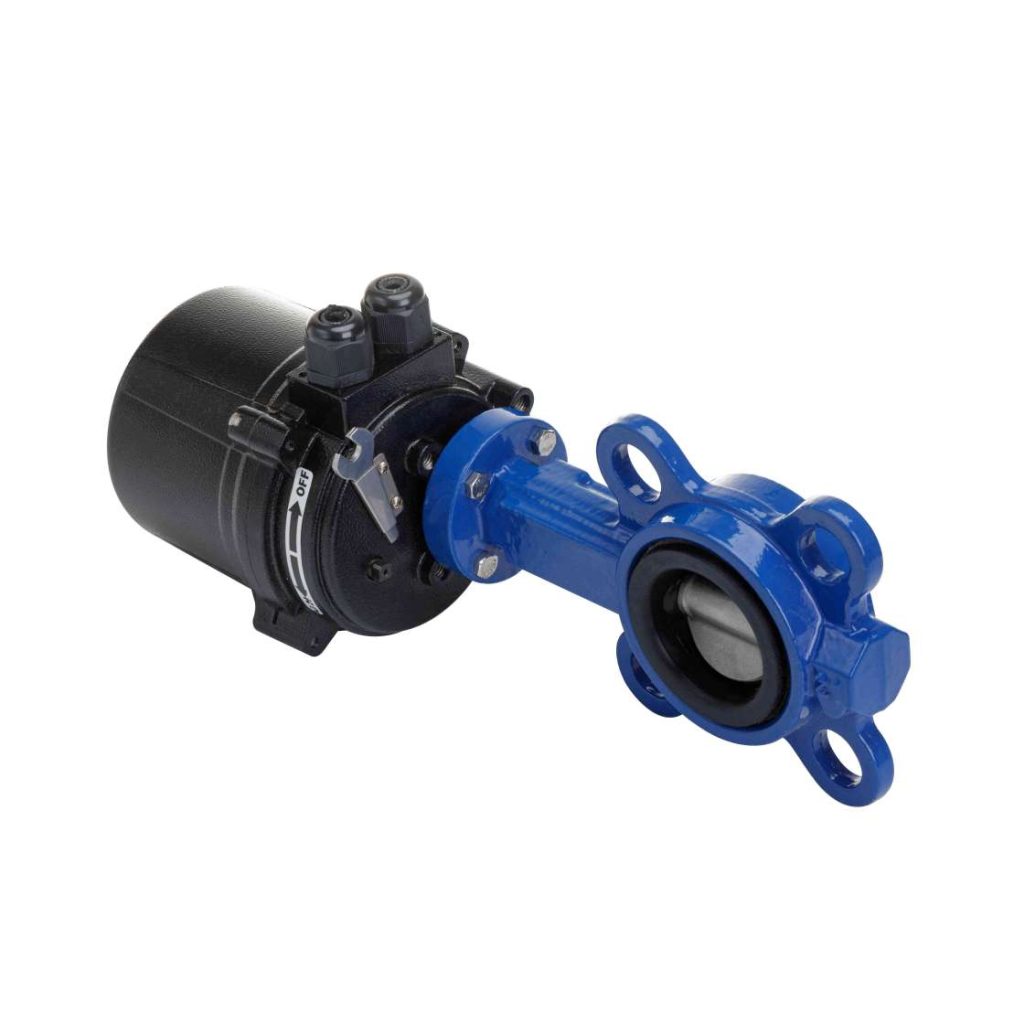
The WCB Electric Butterfly Valve operates on a straightforward yet effective mechanism. Comprising a disc or plate that rotates around its axis within the valve body, it regulates water flow by either opening or closing the passageway. The valve can be operated remotely via an electric actuator, allowing for easy integration with automated irrigation systems. This design not only simplifies water flow management but also enhances the system’s overall reliability and performance. Key Features of the WCB Electric Butterfly Valve Durability and Material Composition: The valve is typically constructed from high-quality materials such as cast iron, stainless steel, or PVC. These materials ensure resistance to corrosion and wear, contributing to a longer lifespan and reduced maintenance costs in harsh agricultural environments.
Leave a Reply