Relay signals are fundamental components in electrical systems, offering a reliable means of controlling devices and circuits. From industrial applications to home automation, relay signals play a pivotal role in ensuring smooth and efficient operations. In this article, we will delve into the concept of relay signals, their function, types, and applications, offering a comprehensive understanding of their importance in both basic and advanced systems.
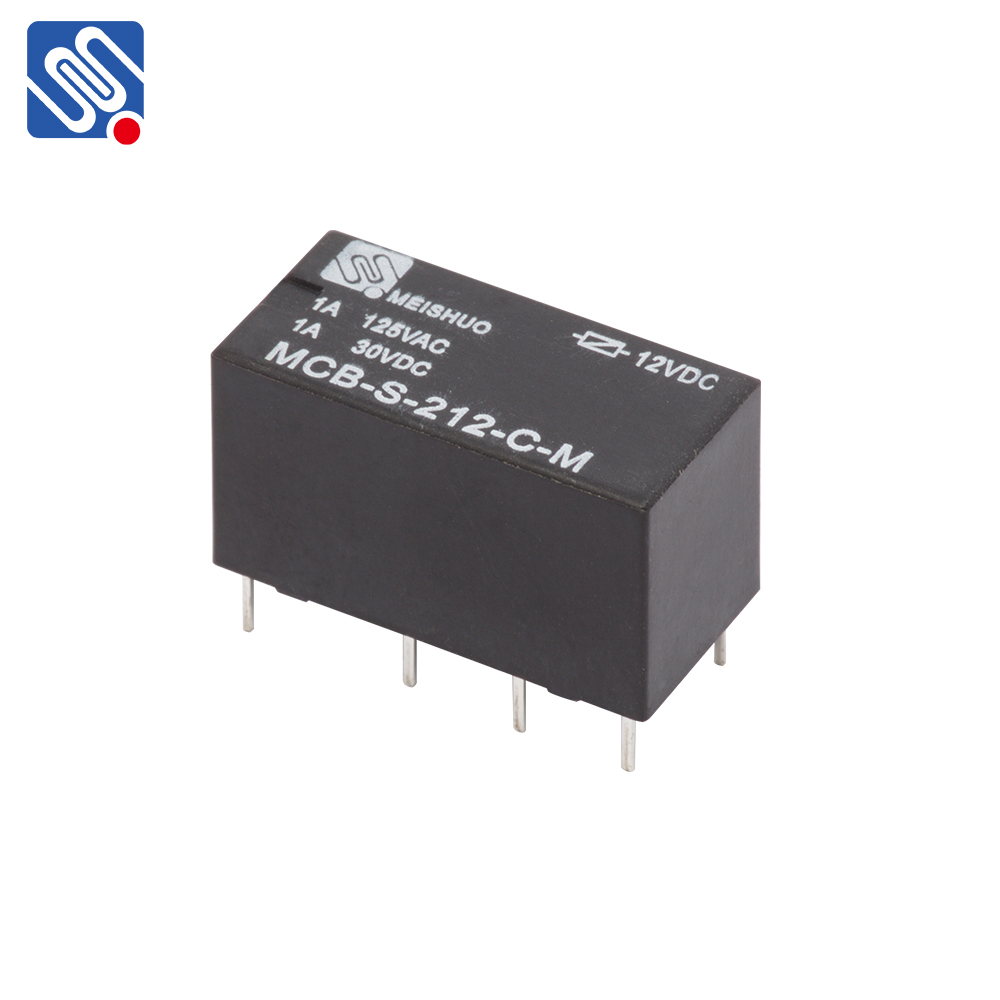
What Are Relay Signals? A relay is an electrically operated switch that allows low-voltage electrical signals to control high-power devices. The essence of relay signals lies in their ability to trigger changes in a circuit by activating or deactivating the relay’s contact points based on an input signal. Typically, a relay consists of a coil (electromagnet), a set of contacts, and a mechanical arm that opens or closes the contacts when the coil is energized. When a control signal is applied to the relay’s coil, it creates a magnetic field that either pulls in or releases a switch, altering the path of the current in the circuit. This process allows the relay to either complete or break the circuit, thus controlling the connected load. The control signal itself is usually a low-voltage digital signal, while the relay handles much higher voltages and currents, enabling control of larger devices without the need for complex, high-power switching circuits.
Leave a Reply