In the rapidly advancing world of automation and energy solutions, the integration of intelligent systems is becoming increasingly important. One of the latest innovations that promises to reshape various industries is the Lithium Battery Intelligent Integrated Actuator (LBIIA). This advanced technology combines the energy storage capability of lithium batteries with the precision and adaptability of intelligent actuators, creating a solution that can significantly enhance efficiency and functionality in numerous applications. In this article, we will explore the features, advantages, and potential impact of the Lithium Battery Intelligent Integrated Actuator on modern automation systems.
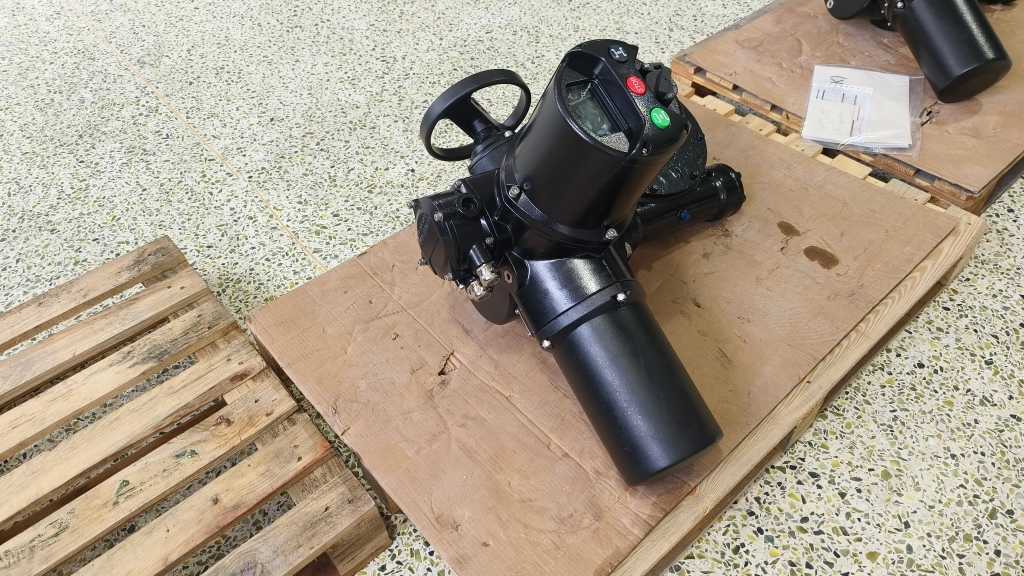
The Basics of Lithium Battery Intelligent Integrated Actuators
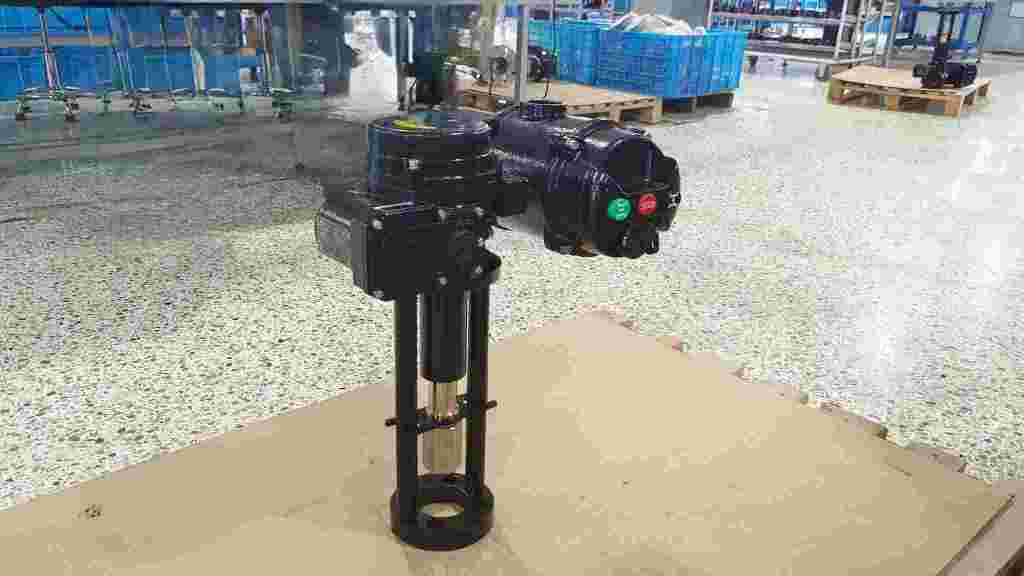
At its core, a Lithium Battery Intelligent Integrated Actuator is a device that merges three critical technologies: lithium battery power storage, intelligent actuator systems, and integrated control systems. Lithium batteries are widely recognized for their high energy density, long lifespan, and relatively light weight. These properties make them ideal for powering actuators, which are mechanical devices used to control or move machinery and equipment. An intelligent actuator, on the other hand, refers to a system that not only performs mechanical functions but also incorporates advanced control algorithms, sensors, and communication capabilities to adapt to changing environments or commands. By combining these elements into a single, integrated device, the LBIIA can offer significant benefits in terms of both performance and operational flexibility.
Leave a Reply