In today’s rapidly evolving technological landscape, low voltage solenoid valves have emerged as a vital component in various industries. These devices, designed to operate efficiently at lower voltages, have become increasingly popular due to their enhanced safety, versatility, and effectiveness in fluid control applications. This article delves into the fundamental principles, advantages, and diverse applications of low voltage solenoid valves, providing a comprehensive overview for those interested in this essential technology.
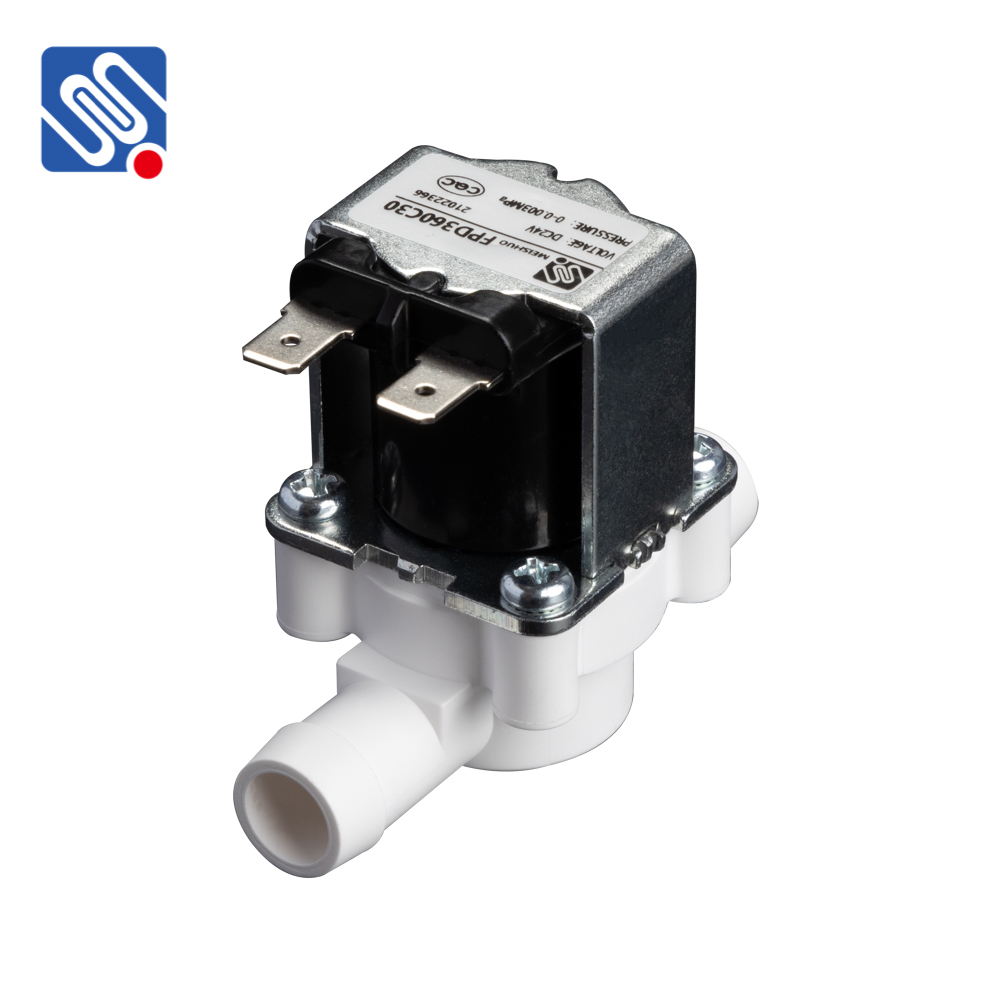
Understanding Low Voltage Solenoid Valves At the heart of a low voltage solenoid valve lies its electromagnetic mechanism. These valves are equipped with an electromagnetic coil that generates a magnetic field when electrical current is passed through it. This magnetic force acts on a movable core or armature, causing it to either open or close the valve, thereby regulating the flow of liquids or gases. Common operating voltages for these valves range from 12V to 48V, making them suitable for various applications across multiple sectors. Advantages of Low Voltage Solenoid Valves Enhanced Safety: The primary advantage of low voltage solenoid valves is their safer operating conditions. Low voltage reduces the risk of electric shock, making these valves ideal for applications where safety is a paramount concern, such as in residential and commercial plumbing systems.
Leave a Reply