Relay installation is an essential process in electrical systems, helping to ensure the safe and efficient operation of circuits by controlling the flow of electricity. A relay acts as an automated switch, which is activated by an electric current. Its primary purpose is to protect the electrical system by allowing circuits to be opened or closed without manual intervention. This article explores the importance of relay installation, the steps involved, and best practices for ensuring a successful installation.
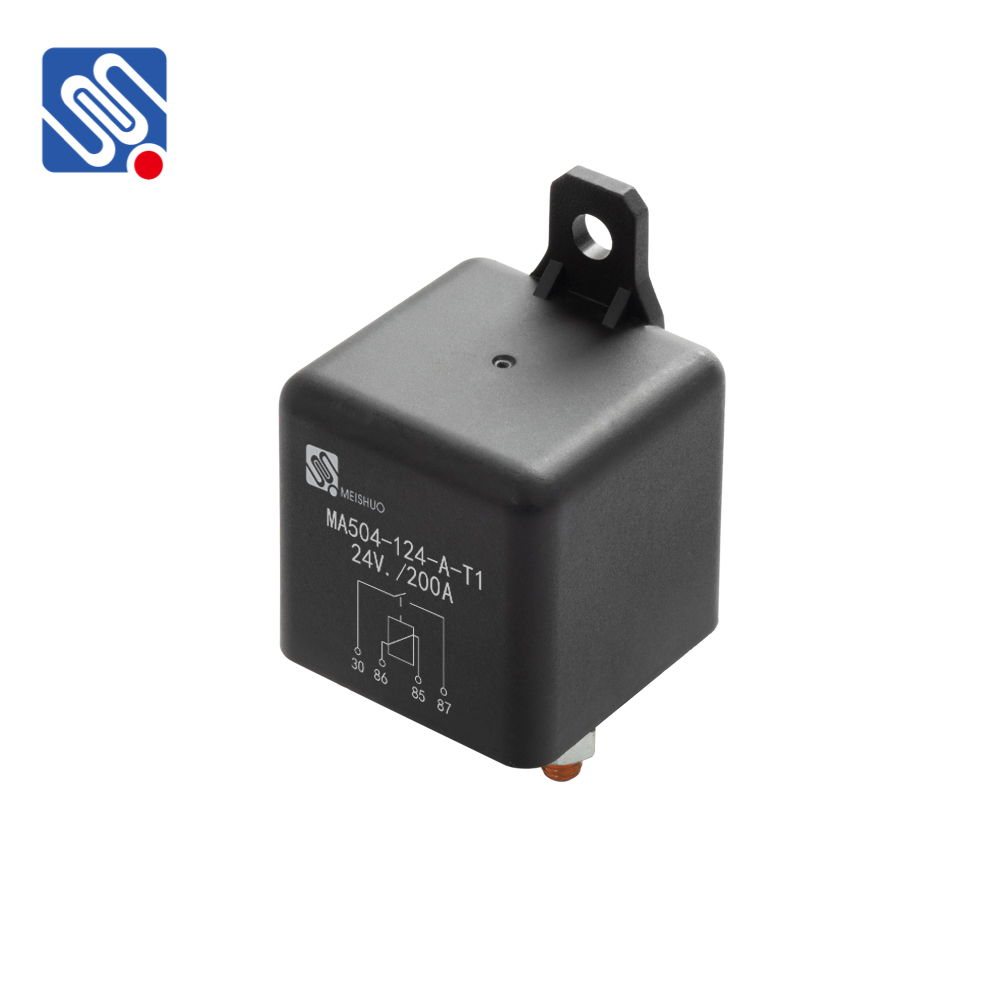
Understanding Relays and Their Importance A relay is an electromagnetic switch used to control a circuit with a low-voltage signal that can trigger a high-voltage circuit. It functions by using a coil to create a magnetic field when current passes through it, which either opens or closes the contacts of the relay. Relays are widely used in applications ranging from simple home automation systems to complex industrial machinery and electrical networks. The key advantage of using relays in electrical systems is the isolation they provide. By enabling a low-power control circuit to switch a high-power load, relays prevent the high-voltage components from interfering with sensitive control equipment. This is especially important in safety-critical applications where precise control is necessary, such as in power grids, automotive systems, or home appliances.
Leave a Reply