A 220V 30A relay is a crucial electrical component used in many applications where high-voltage circuits need to be controlled by a low-voltage input. This powerful relay can handle a significant amount of current (30A), making it an essential component in industries that require reliable control of electrical equipment and machinery. Whether you’re working on home appliances, industrial automation, or other power systems, understanding how a 220V 30A relay operates is critical for ensuring both safety and efficiency in electrical systems.
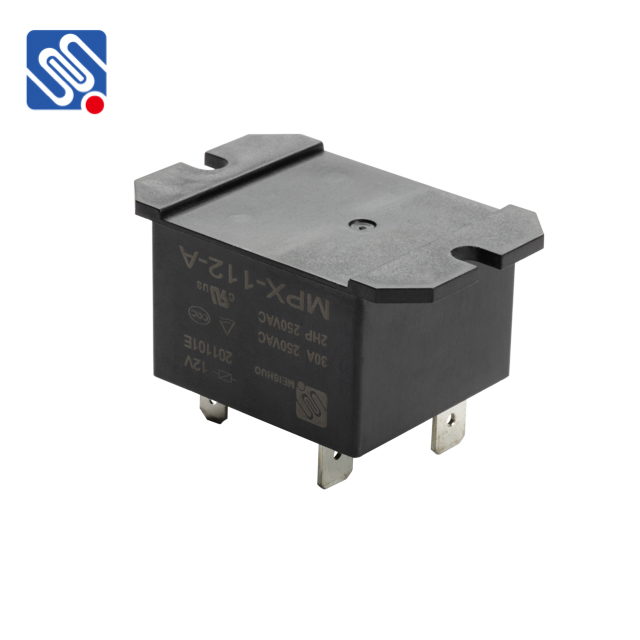
What is a 220V 30A Relay? A relay is essentially an electrical switch that opens or closes a circuit under the control of a separate electrical signal. In the case of a 220V 30A relay, the device is designed to handle circuits operating at 220 volts AC (alternating current) and can control up to 30 amperes of current. This relay is typically used in situations where the control circuit needs to handle low voltage, but the load circuit requires high voltage or current. The relay operates on the principle of electromagnetic induction. When an electrical signal (usually DC) is supplied to the relay’s coil, it creates a magnetic field that moves a set of contacts. These contacts either open or close, thereby controlling the connection in the high-voltage circuit.
Leave a Reply