A DIN thermostat, a staple in modern heating and cooling systems, is a device designed to regulate temperature with precision and efficiency. The term “DIN” stands for Deutsches Institut für Normung, the German Institute for Standardization, which has established specific standards for various industrial components, including thermostats. This article explores the functionality, advantages, and applications of DIN thermostats, highlighting why they are essential in various industries.
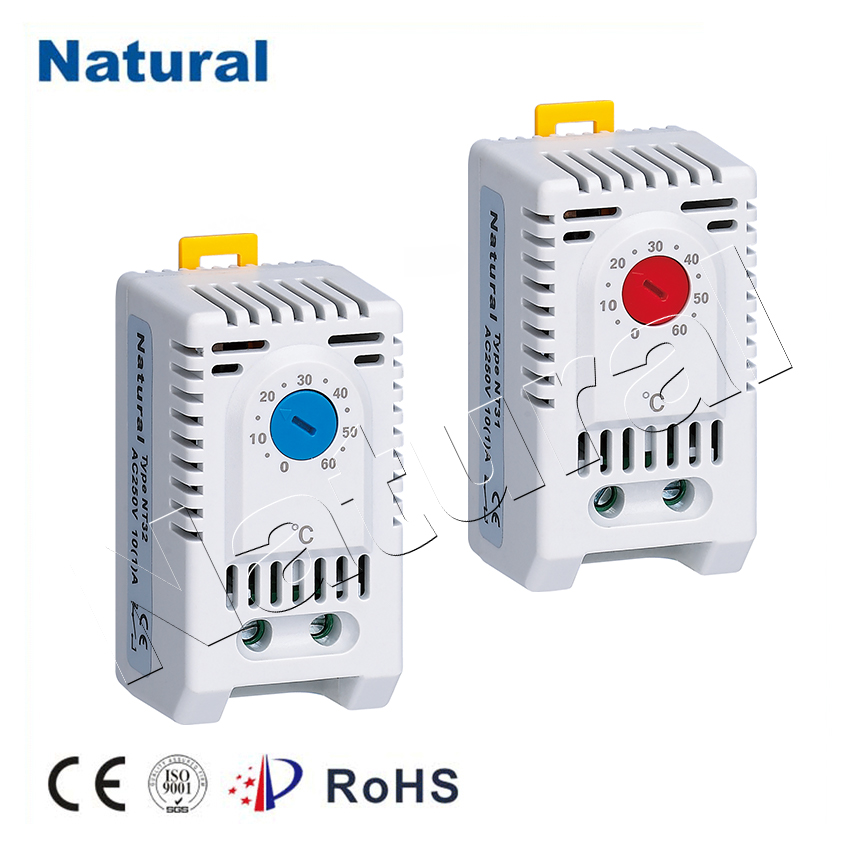
What is a DIN Thermostat?
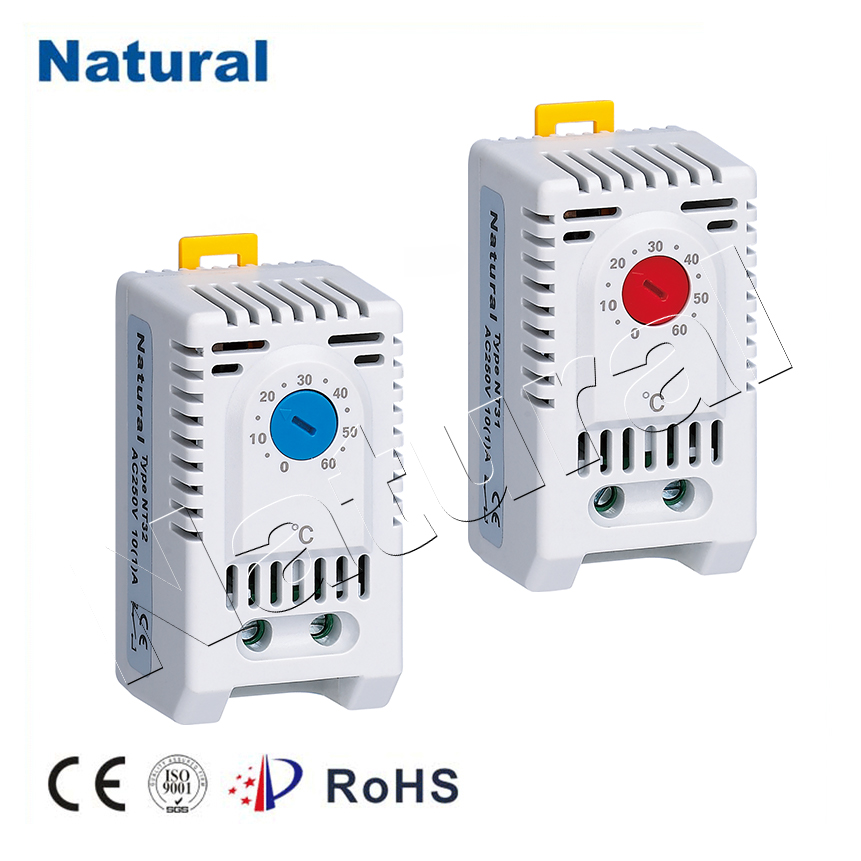
A DIN thermostat refers to a temperature control device conforming to DIN standards, specifically designed to fit standard DIN rail mounts. DIN rails are metal strips used for mounting industrial control equipment inside equipment racks. DIN thermostats are engineered to be mounted easily on these rails, providing a standardized and reliable solution for temperature management in a wide range of applications. Key Features Standardized Mounting: The primary feature of DIN thermostats is their compatibility with DIN rails, which simplifies installation and integration into existing systems. This standardization ensures that the thermostat can be used universally across different systems and installations.
Leave a Reply