In the world of advanced electronics and power systems, managing heat is a critical aspect of ensuring reliability, longevity, and safety. Overheating can lead to catastrophic failures in devices, especially in high-performance sectors such as electric vehicles (EVs), industrial machinery, and renewable energy systems. To prevent these issues, one of the key components that has gained significant importance is the Thermal Management Relay. This device plays a pivotal role in maintaining optimal operating temperatures, ensuring systems run smoothly and safely. In this article, we will explore the functions, importance, and applications of thermal management relays in various sectors.
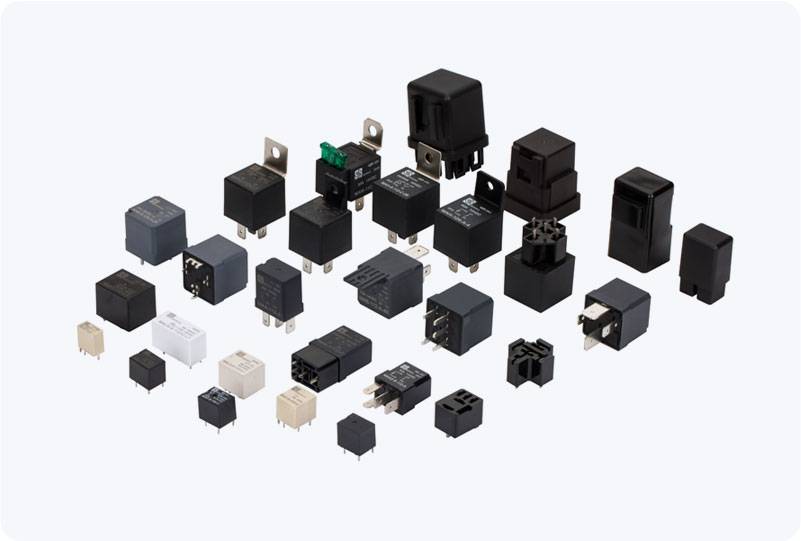
What is a Thermal Management Relay? A Thermal Management Relay (TMR) is an electronic device used to monitor and regulate the temperature of electrical systems and components. Its primary purpose is to prevent overheating by controlling the power supply and activating cooling mechanisms when necessary. The relay typically consists of a temperature sensor, control circuitry, and a switch mechanism that reacts to temperature changes in real-time. These relays are designed to operate in systems where temperature fluctuations can lead to performance degradation, failure, or even safety hazards. By sensing when a system exceeds a certain threshold, the thermal management relay intervenes by disconnecting power, activating a cooling system, or triggering an alarm to warn operators about potential issues.
Leave a Reply