In the complex world of marine engineering, one essential component that ensures the smooth operation of various systems is the Stainless Steel Marine Electric Butterfly Valve. These valves are used in a wide range of applications, from controlling fluid flow to regulating pressure in pipelines across marine vessels. As the name suggests, these valves combine the durability of stainless steel with the precision and efficiency of electric actuation, making them ideal for use in harsh maritime environments. This article delves into the features, benefits, applications, and importance of stainless steel marine electric butterfly valves in modern marine engineering.
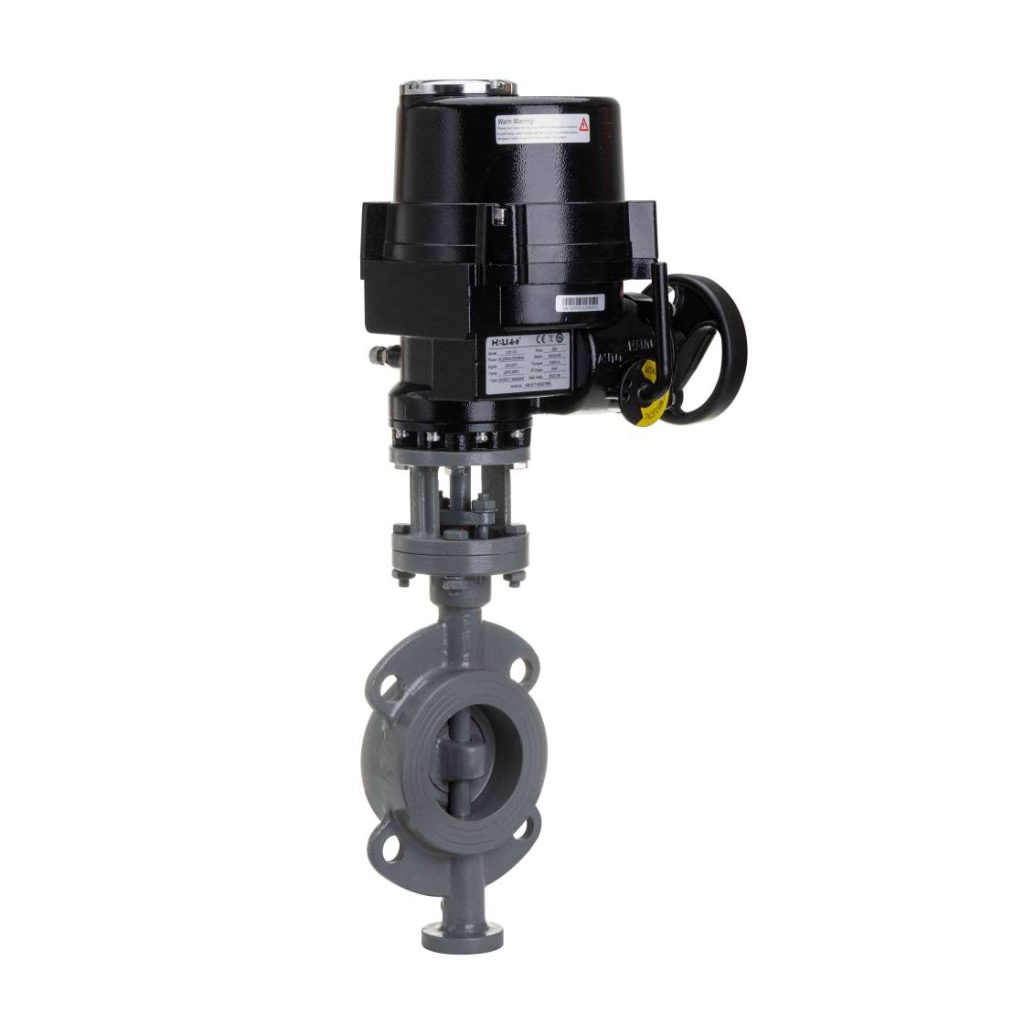
What is a Stainless Steel Marine Electric Butterfly Valve?
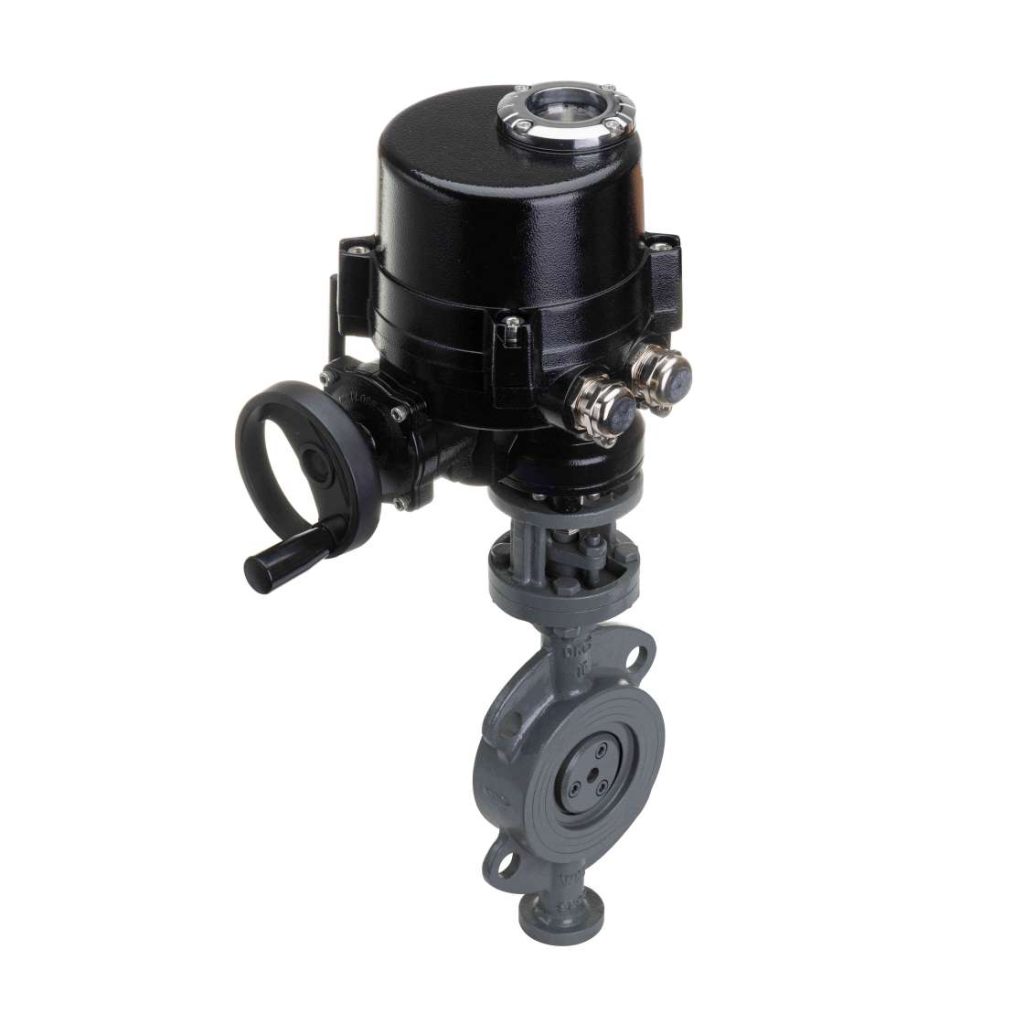
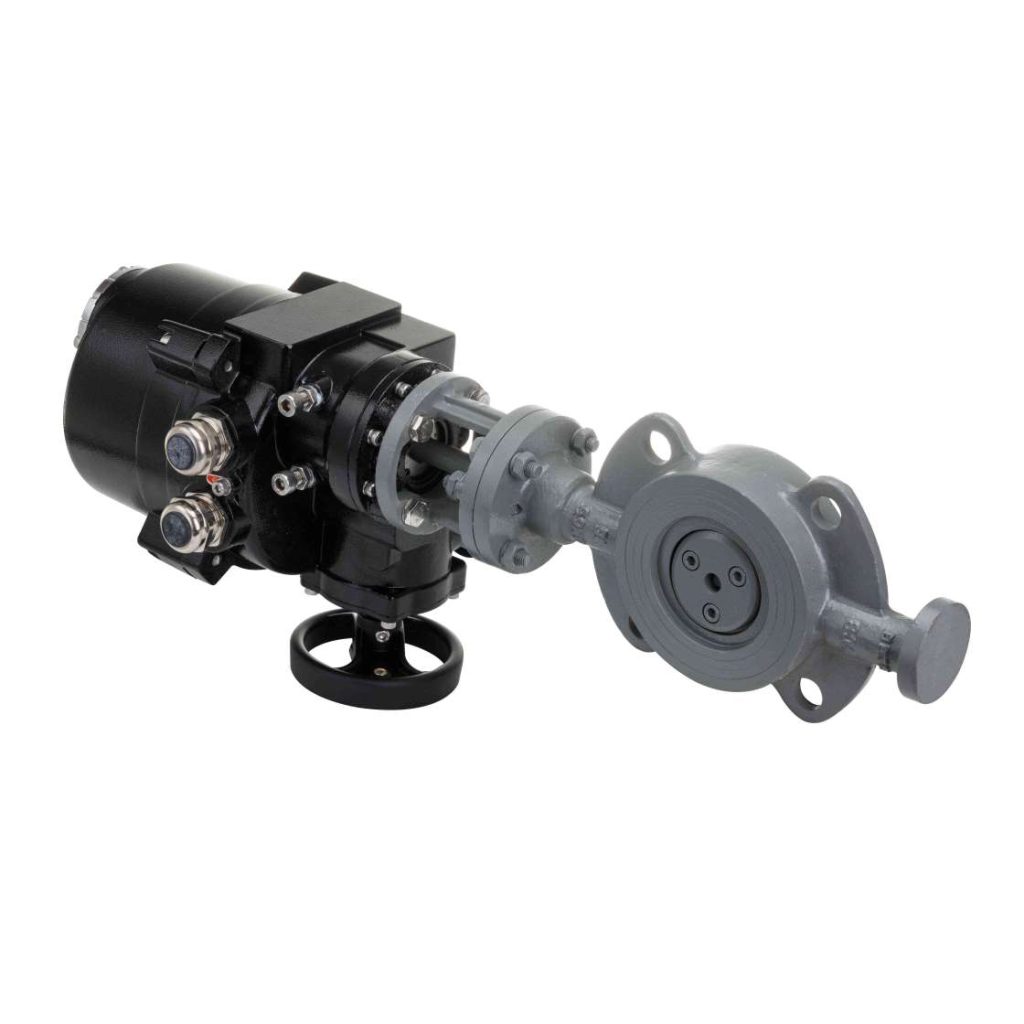
A stainless steel marine electric butterfly valve is a type of valve that uses a rotating disc to control the flow of fluid through a pipe. The valve operates by rotating the disc to open or close the passageway, allowing or restricting the flow of water, air, or other fluids. The key feature that distinguishes it from other valve types is its construction from stainless steel, which provides resistance to corrosion, a critical aspect in the harsh marine environment. The “electric” aspect of the valve refers to the automated actuator, which is powered by electricity to turn the valve’s disc. This electric actuation makes the valve suitable for remote control operations, allowing the operator to control the valve without needing to manually intervene. This is especially beneficial for managing systems that are difficult to access or operate, such as those located in engine rooms or under the deck of a ship.
Leave a Reply