A Time Delay Relay (TDR) is an essential component in modern electrical systems, used to introduce a delay between an input signal and the output action. This delay provides greater control over timing in circuits, enabling devices to perform specific tasks with precision. Time Delay Relays are commonly used in industrial automation, home appliances, safety systems, and many other areas where controlled timing is essential.
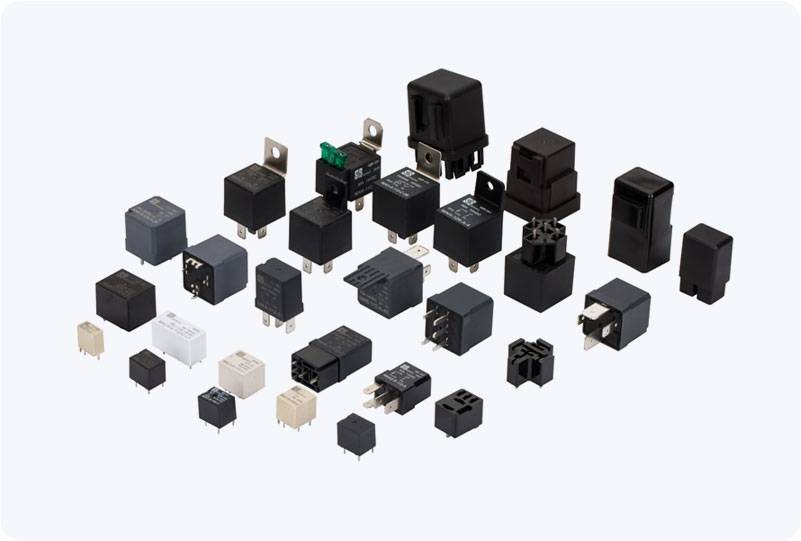
What is a Time Delay Relay? A Time Delay Relay is a relay with an internal timer that, upon activation, delays the switching of its output contacts for a predetermined amount of time. In simpler terms, it allows an electrical circuit to delay the turning on or off of a device. These relays can be used to delay the start of a machine, prevent sudden power surges, or even control sequential operations in systems requiring precise timing. Typically, a Time Delay Relay consists of a coil, a set of contacts, and a timing mechanism (which can be either mechanical, electronic, or hybrid). When the relay is activated by an input signal, the timer begins counting down from a set duration. Once the timer reaches the set value, the relay closes (or opens) its contacts to complete or break the circuit. This delay is crucial in preventing electrical issues like power surges and overloads in machinery and equipment.
Leave a Reply