In modern electrical systems, especially those dealing with high-voltage direct current (HVDC) or electric vehicles (EVs), the safety and longevity of the components are of utmost importance. One such essential component is the Capacitor Precharge Circuit Relay, a device that ensures smooth, controlled charging of capacitors in power circuits. This article explores the importance, working principle, and applications of the capacitor precharge circuit relay, along with its role in protecting electrical systems from damage.
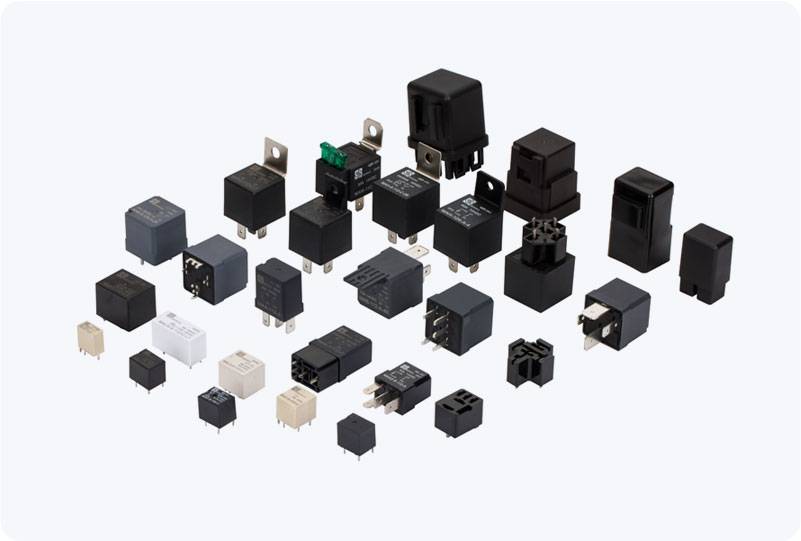
What is a Capacitor Precharge Circuit Relay? A Capacitor Precharge Circuit Relay is a type of relay used to manage the charging process of capacitors in an electrical circuit. When a capacitor is initially connected to a power supply, a sudden rush of current could damage the capacitor or other sensitive components. The precharge relay prevents this by controlling the capacitor’s charging rate during the system startup. The precharge relay is typically used in systems with high-voltage components, such as in power conversion systems, battery storage systems, or electric vehicles. The purpose of the relay is to ensure that the capacitor is gradually charged, preventing any unwanted high inrush current that could cause electrical faults or component degradation.
Leave a Reply