Automotive relays play a crucial role in modern vehicle electrical systems, ensuring the safe and efficient operation of various electrical components. From the engine start-up to the operation of car lights and power windows, automotive relays help manage the flow of electrical current, protect circuits, and ensure the proper functioning of multiple systems. In this article, we will explore the fundamental workings of automotive relays, their various types, applications, and the key factors to consider when choosing a relay for automotive purposes.
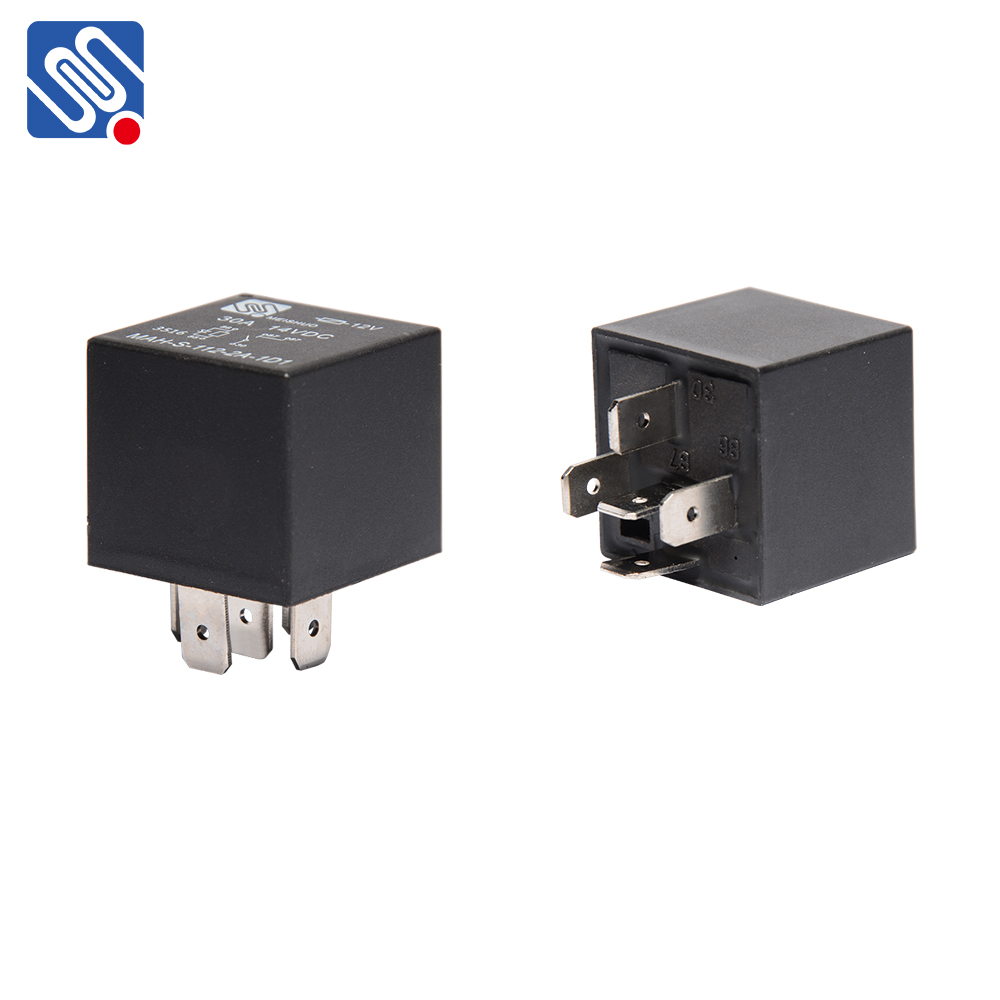
What is an Automotive Relay? An automotive relay is an electrically operated switch used to control the high-power electrical circuits in a vehicle using a low-power signal. Relays are designed to handle electrical current in a controlled and efficient manner, preventing the need for direct interaction with high-current circuits. When a relay is energized by a low-voltage current (typically 12V DC), it creates a magnetic field that closes or opens the relay’s contacts, thereby allowing or interrupting the flow of current to the connected components. Types of Automotive Relays Automotive relays come in different types, each designed for specific purposes and applications. The most common types include:
Leave a Reply