Electric flanged butterfly valves play a crucial role in controlling the flow of liquids and gases within a variety of industrial systems. Combining the reliable function of a butterfly valve with the precision and ease of electric actuation, these valves have become an indispensable part of process industries, ranging from water treatment plants to oil and gas pipelines. In this article, we will explore the working principles, benefits, and applications of electric flanged butterfly valves, shedding light on why they are favored in so many industries.
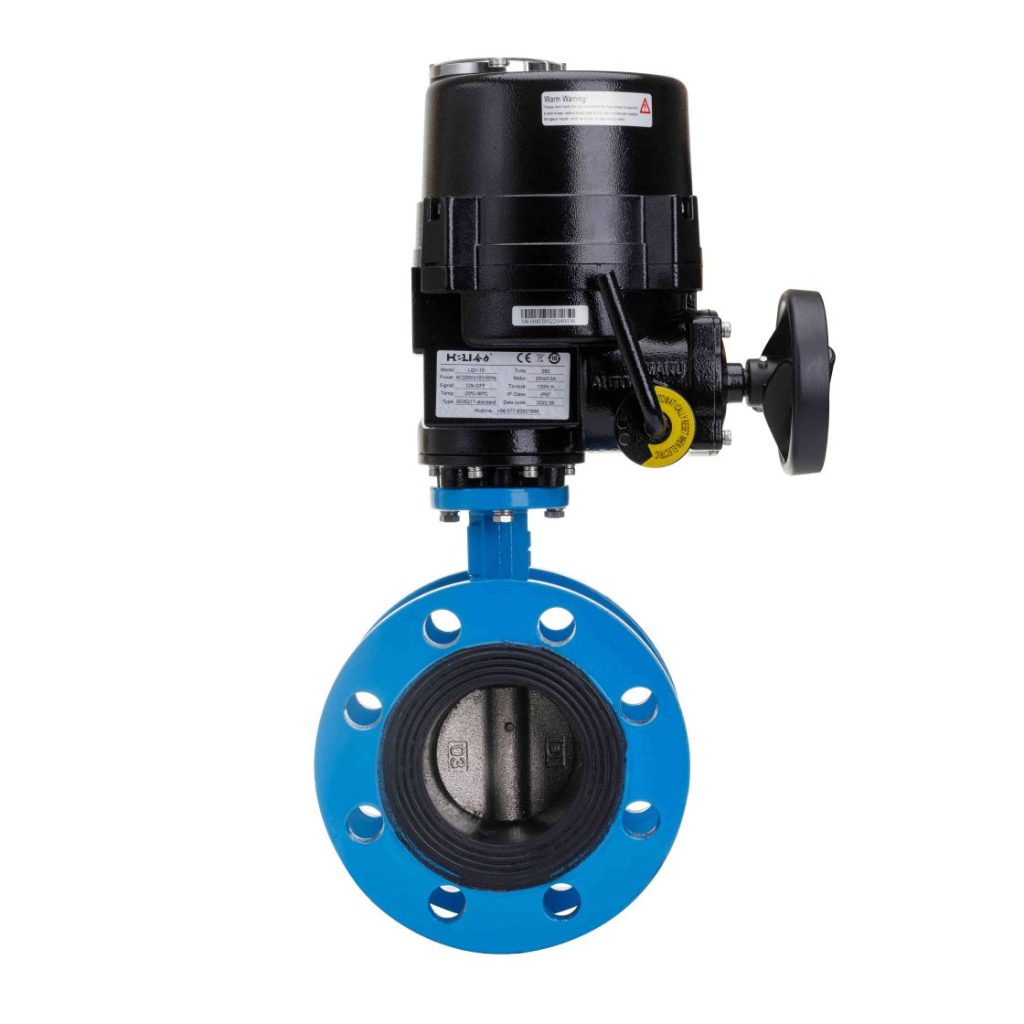
What is an Electric Flanged Butterfly Valve?
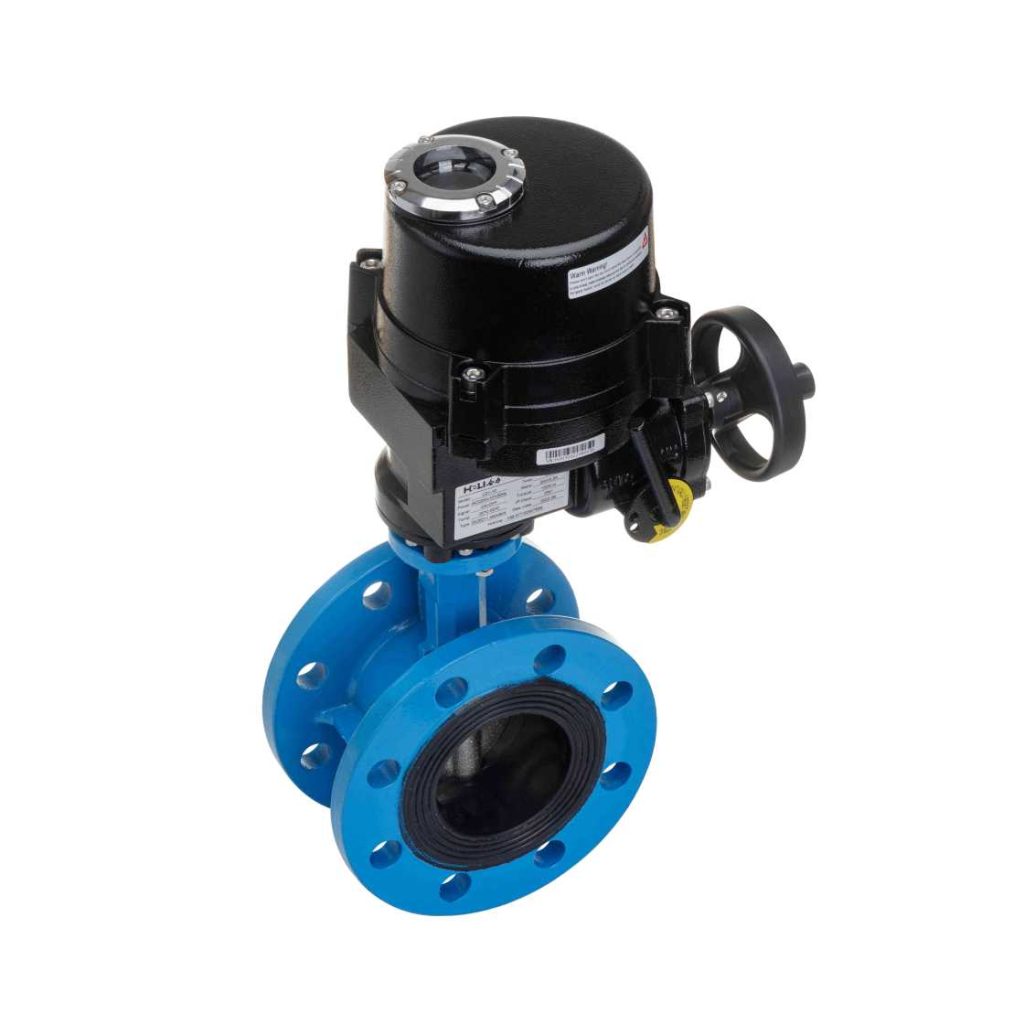
A butterfly valve is a type of valve that controls flow by using a rotating disk, or “butterfly,” positioned in the center of a pipe. The disk can be turned to varying degrees to control the flow rate, providing precise regulation. When integrated with an electric actuator, the valve can be operated remotely, offering a high level of automation and convenience. The “flanged” design refers to the valve’s connection method—using flanges to attach it to pipes, ensuring a tight and secure seal.
Working Principle of Electric Flanged Butterfly Valves Electric flanged butterfly valves operate by rotating a disk, or valve plate, around a central axis. When the valve is fully open, the disk is positioned parallel to the pipe, allowing maximum flow. As the actuator turns the valve, the disk gradually rotates into the flow path, restricting the passage and reducing the flow of fluid or gas. The electric actuator allows for precise control, often with the option for remote monitoring and adjustments, making it a vital component in automated systems.
Leave a Reply