Solenoid valves are critical components in many modern industrial systems, serving to control the flow of liquids and gases with precision. These devices operate through an electromechanical process in which an electric current energizes a solenoid, which in turn either opens or closes a valve. The result is a mechanism that is both efficient and reliable, ideal for various automation, fluid, and gas control applications. As a result, solenoid valve manufacturers have become pivotal players in industries ranging from automotive to healthcare.
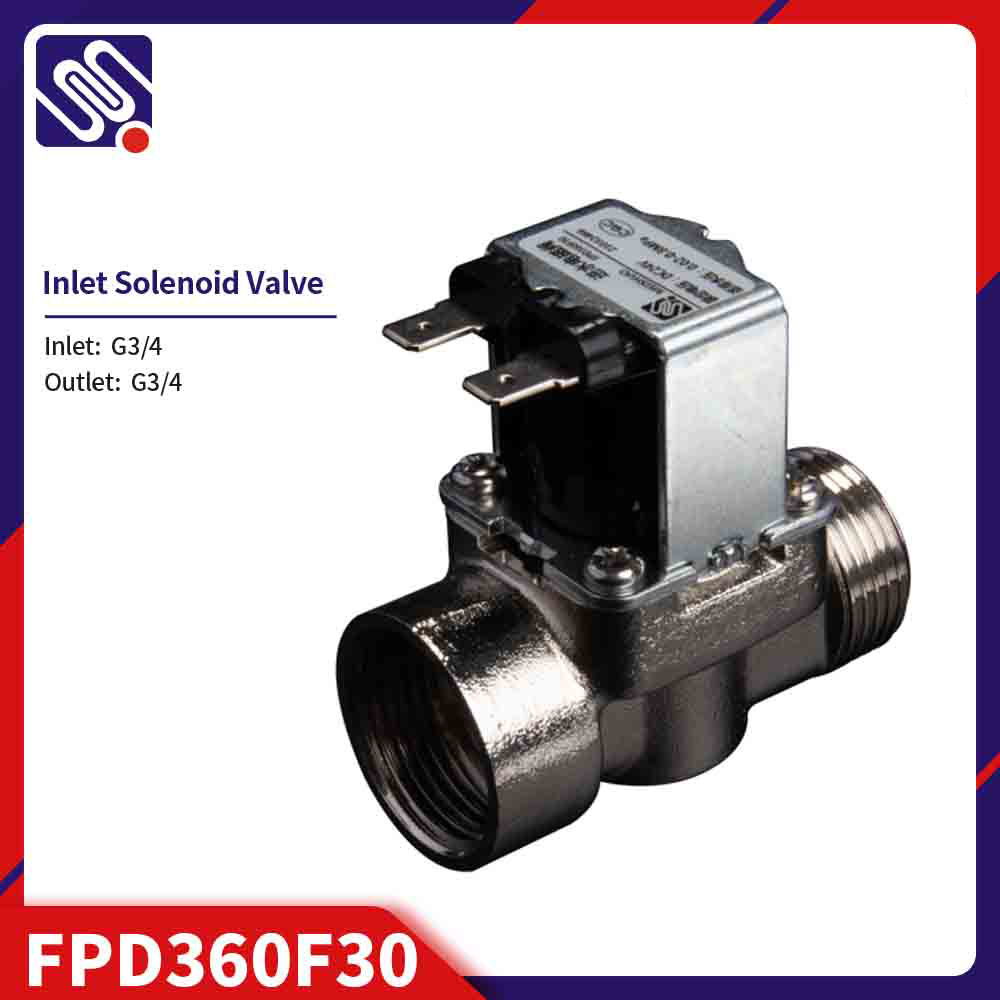
Understanding Solenoid Valves At its core, a solenoid valve is a simple yet powerful device that controls the flow of a fluid or gas in a system. It functions by converting electrical energy into mechanical motion, which then regulates the valve’s opening or closing. Solenoid valves are highly versatile, available in a variety of configurations, and are essential in industrial automation, HVAC systems, irrigation, medical equipment, and more. These valves come in multiple types, including direct-acting, pilot-operated, and two-way or three-way valves, each suited for different purposes. They are also available in a range of materials, from stainless steel to brass and plastic, depending on the specific demands of the application, such as pressure, temperature, and the type of fluid or gas being controlled.
Leave a Reply