In recent years, the quest for cleaner, more sustainable energy solutions has intensified, and hydrogen energy has emerged as a frontrunner in this search. As a potential alternative to fossil fuels, hydrogen is gaining traction due to its high energy content and the fact that it only produces water vapor when combusted. However, the efficient and safe transport and regulation of hydrogen require specialized equipment. One such critical component is the Hydrogen Energy Electric Clamp Butterfly Valve, which plays a pivotal role in regulating the flow of hydrogen gas within various systems. This article delves into the importance of these valves, their construction, and their key applications in hydrogen energy systems.
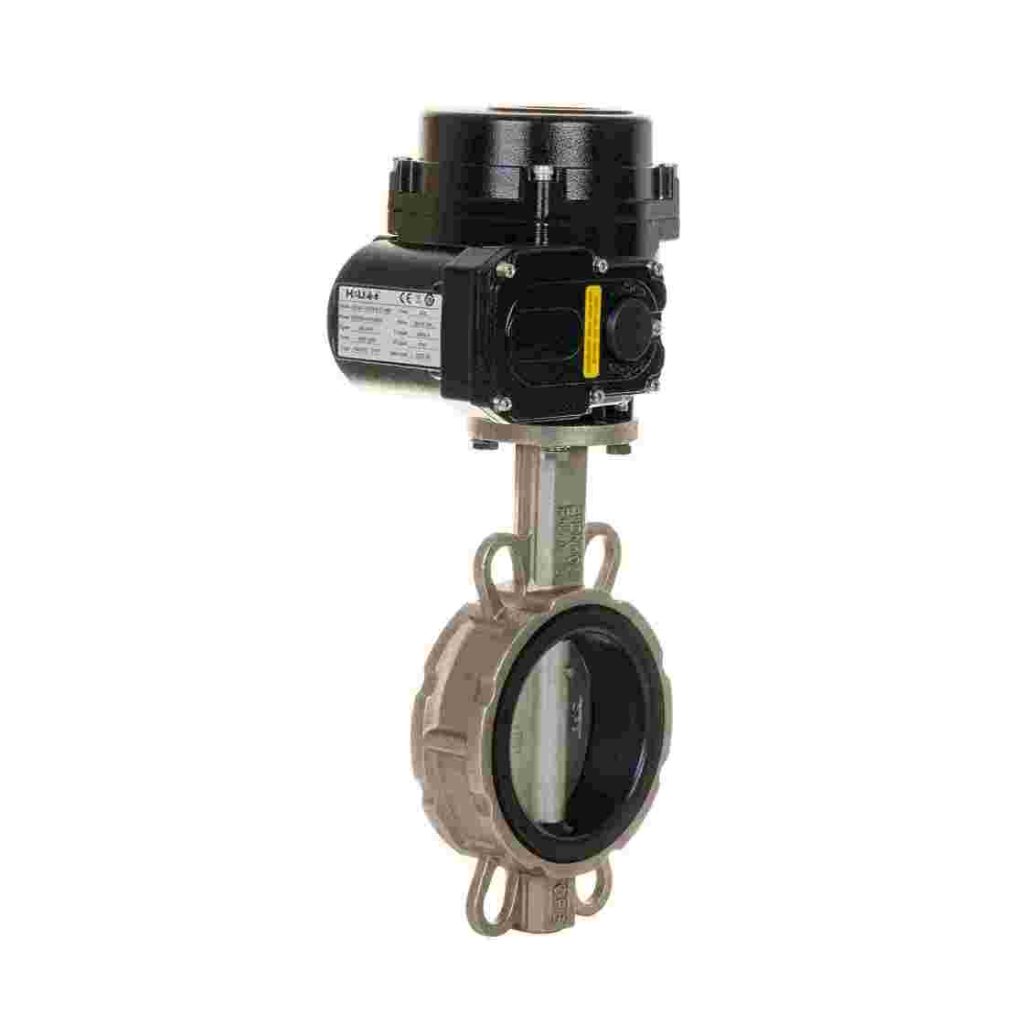
The Role of Butterfly Valves in Hydrogen Energy Systems
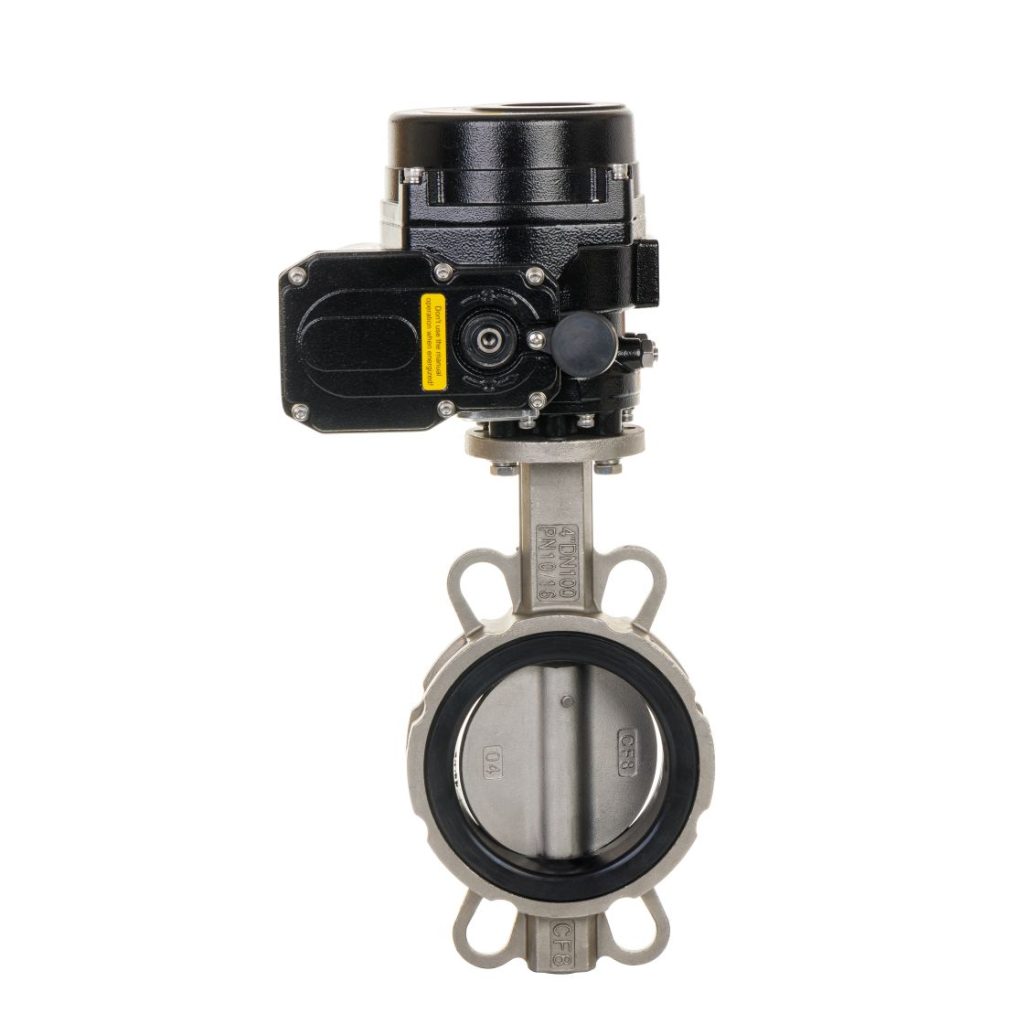
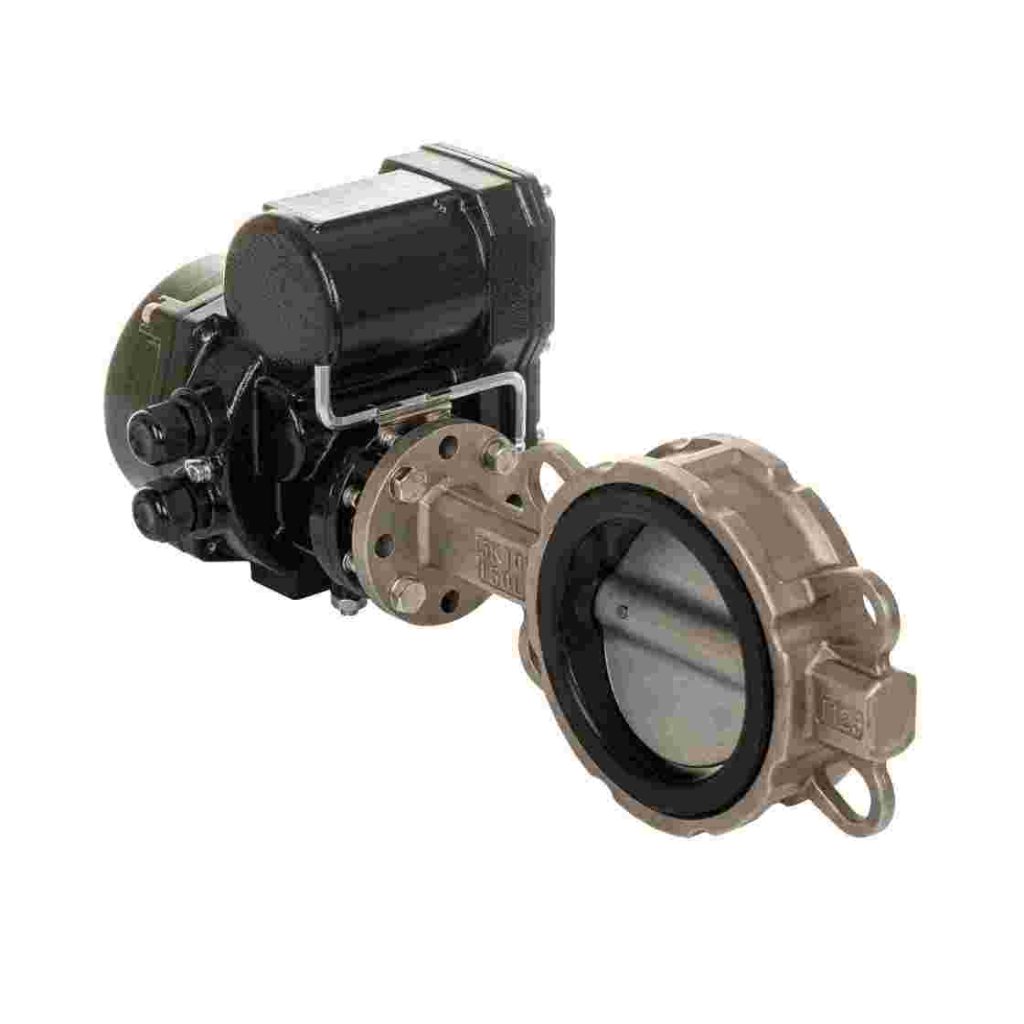
Butterfly valves, in general, are widely used in industries for regulating and isolating the flow of fluids and gases within a pipeline. They are known for their simple design and reliable performance, which makes them an ideal choice for controlling the flow of a variety of substances, including hydrogen. These valves consist of a rotating disc mounted within a pipe, which opens or closes to control the flow. When fully open, the disc aligns with the pipe, allowing the fluid or gas to flow freely; when closed, the disc creates a seal, stopping the flow. In the context of hydrogen energy, butterfly valves are particularly valuable because they can manage the high pressure and fluctuating flow rates associated with hydrogen pipelines. Since hydrogen is stored and transported at high pressures, butterfly valves must be durable and able to handle the stress of such conditions. Moreover, they must also ensure that hydrogen is safely transported without leakage, which is critical due to the flammability of hydrogen.
Leave a Reply