In the realm of water purification and treatment, reverse osmosis (RO) systems play a pivotal role in ensuring clean and safe drinking water. A vital component of these systems is the RO solenoid valve, which is instrumental in controlling water flow throughout the purification process. In this article, we will delve into the functionality, types, applications, and considerations associated with RO solenoid valves.
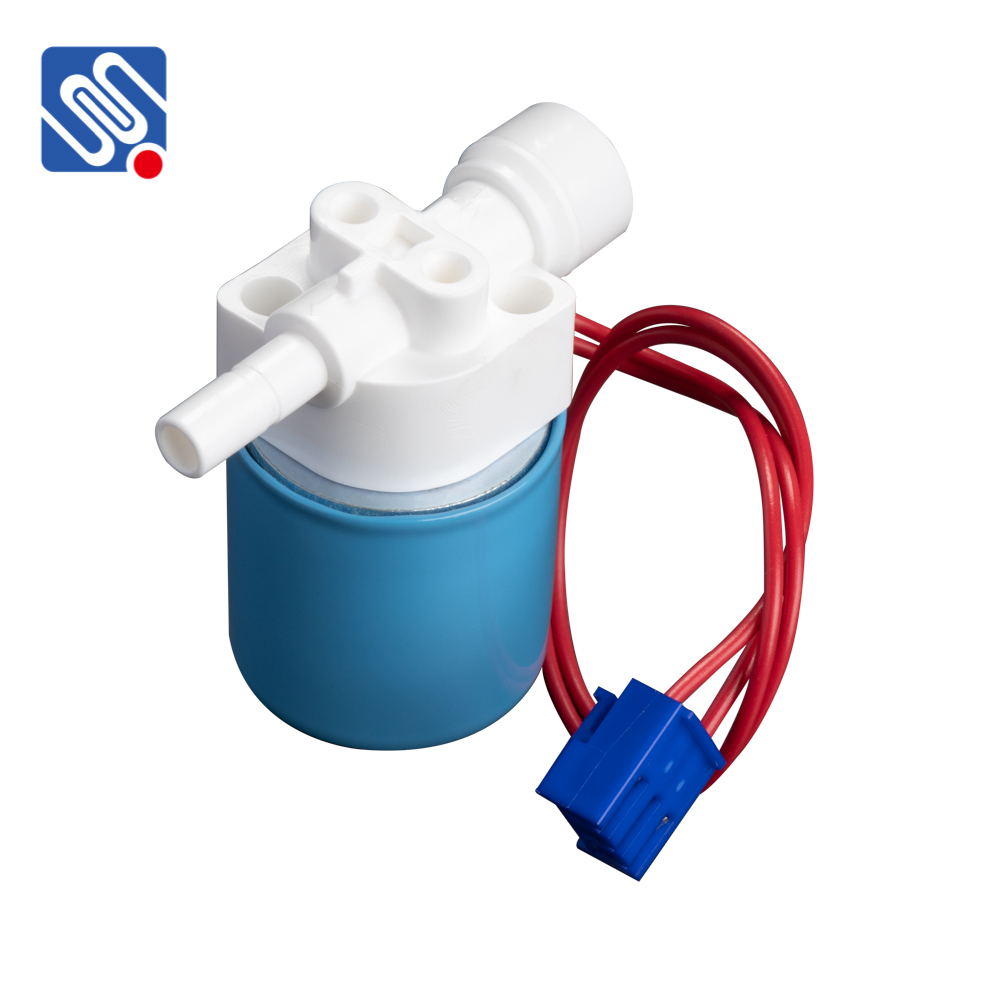
What is an RO Solenoid Valve? An RO solenoid valve is an electromechanical device that controls the flow of water in a reverse osmosis system. These valves are typically operated by an electric current that energizes a solenoid coil, creating a magnetic field that moves a plunger within the valve. This movement either opens or closes the valve, effectively managing the water flow rate and direction. Due to their efficiency and reliability, solenoid valves are widely used in both residential and industrial water treatment systems. How Does an RO Solenoid Valve Work? The working principle of an RO solenoid valve is relatively straightforward. When the solenoid coil is energized, it generates a magnetic field that pulls the plunger upward or downward, depending on the valve design. This action either opens the valve to allow water to flow through or closes it to stop the flow. Many RO systems incorporate pilot-operated solenoid valves that utilize the pressure of the fluid to assist in operating the valve, resulting in lower energy consumption and improved efficiency.
Leave a Reply