In recent years, the need for sustainable and efficient energy solutions has become more critical than ever. As industries and societies strive towards greener practices, innovative technologies have emerged to meet these demands. One such technology is the Photovoltaic Electric Valve. This device integrates solar energy harvesting with automated control mechanisms, paving the way for more efficient, eco-friendly operations across various sectors. In this article, we will explore the components, working principles, applications, advantages, and challenges associated with Photovoltaic Electric Valves.
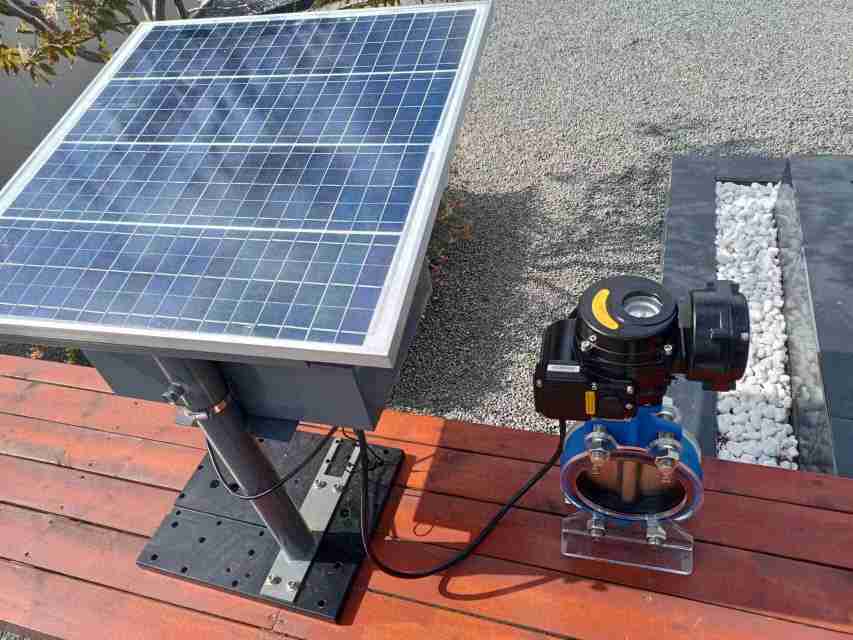
Understanding Photovoltaic Electric Valves
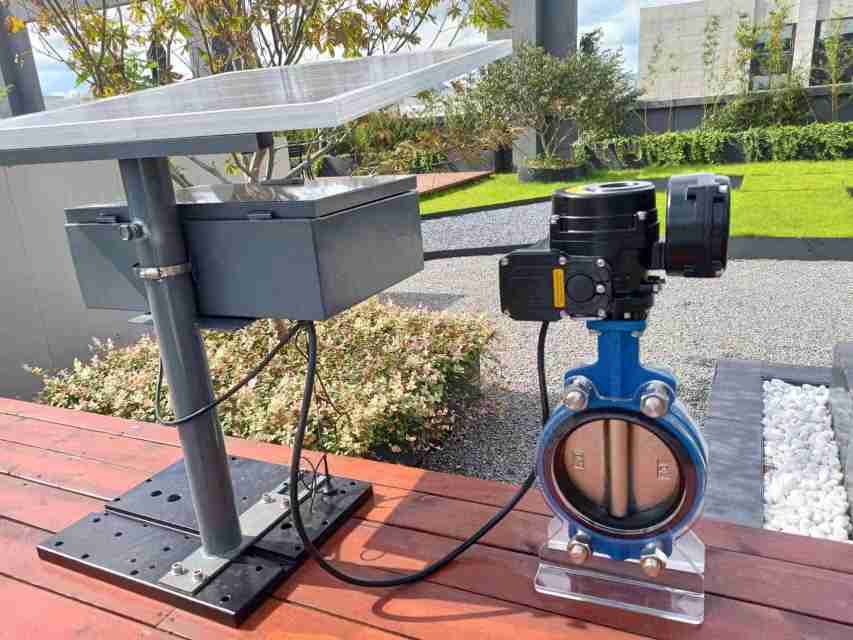
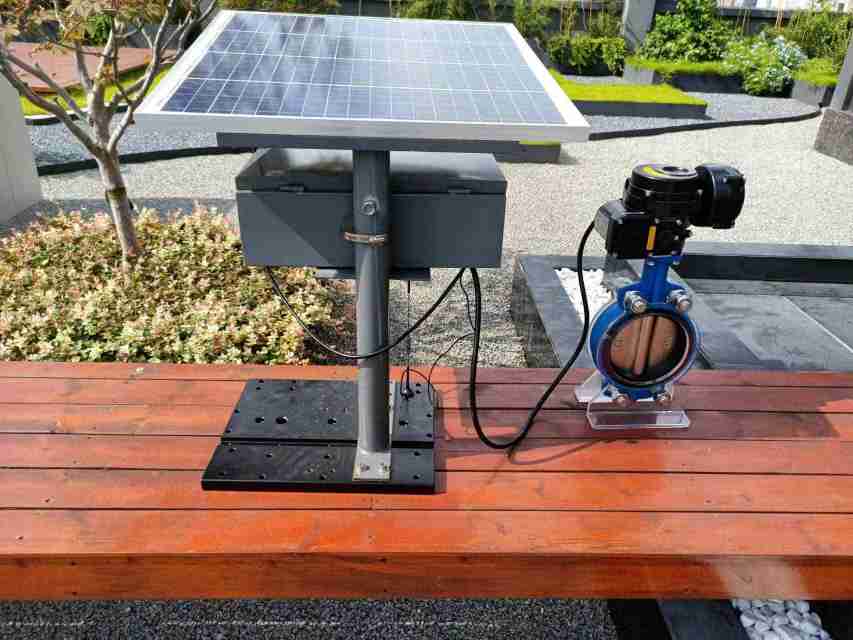
A Photovoltaic Electric Valve primarily consists of two main components: solar panels and an electric valve. The solar panels capture sunlight and convert it into direct current (DC) electricity through photovoltaic cells. This electricity powers the electric valve, enabling it to perform tasks such as opening or closing in response to signals or conditions in a control system. How Photovoltaic Electric Valves Work The operation of a Photovoltaic Electric Valve begins when sunlight strikes the solar panels. The photovoltaic cells activate, generating electricity. This energy can be used immediately to operate the valve or can be stored in a battery for use during periods of low sunlight, such as cloudy days or nighttime. The control mechanism, which can be a simple switch or a more sophisticated programmable logic controller (PLC), governs when and how the valve operates.
Leave a Reply