A thermostat is an essential part of any heating, ventilation, and air conditioning (HVAC) system. It is the device that helps maintain a comfortable and consistent indoor climate by controlling the temperature. Among the various types of thermostats, the 24V thermostat is one of the most common and widely used in residential and commercial applications. In this article, we will explore the 24V thermostat, how it works, its advantages, and how it plays a crucial role in HVAC systems.
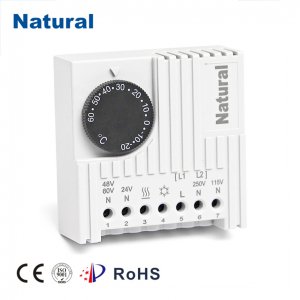
What is a 24V Thermostat?
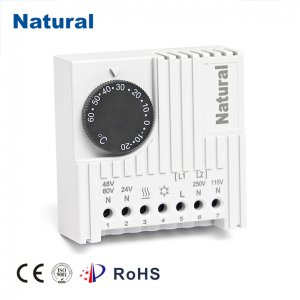
A 24V thermostat is a temperature control device designed to operate on 24 volts of electrical power. The term “24V” refers to the low-voltage electrical system that powers the thermostat, making it distinct from other types of thermostats that may require higher voltage or operate on different power sources. These thermostats are commonly used in HVAC systems because they are safe, energy-efficient, and reliable. The 24V thermostat connects directly to the heating and cooling equipment and regulates the operation of the system by sending electrical signals to the furnace, air conditioner, or other connected components. The signals are typically sent through a low-voltage wiring system, which makes installation and maintenance easier compared to high-voltage systems.
Leave a Reply