Relay signals are integral components in the field of electrical and electronic engineering, acting as a crucial link between control circuits and high-power devices. A relay is essentially an electrically operated switch that uses a low-power signal to control the switching of high-power devices, providing isolation and protection for sensitive control systems. In this article, we will explore the fundamental concepts of relay signals, their mechanisms, and their applications in various industries.
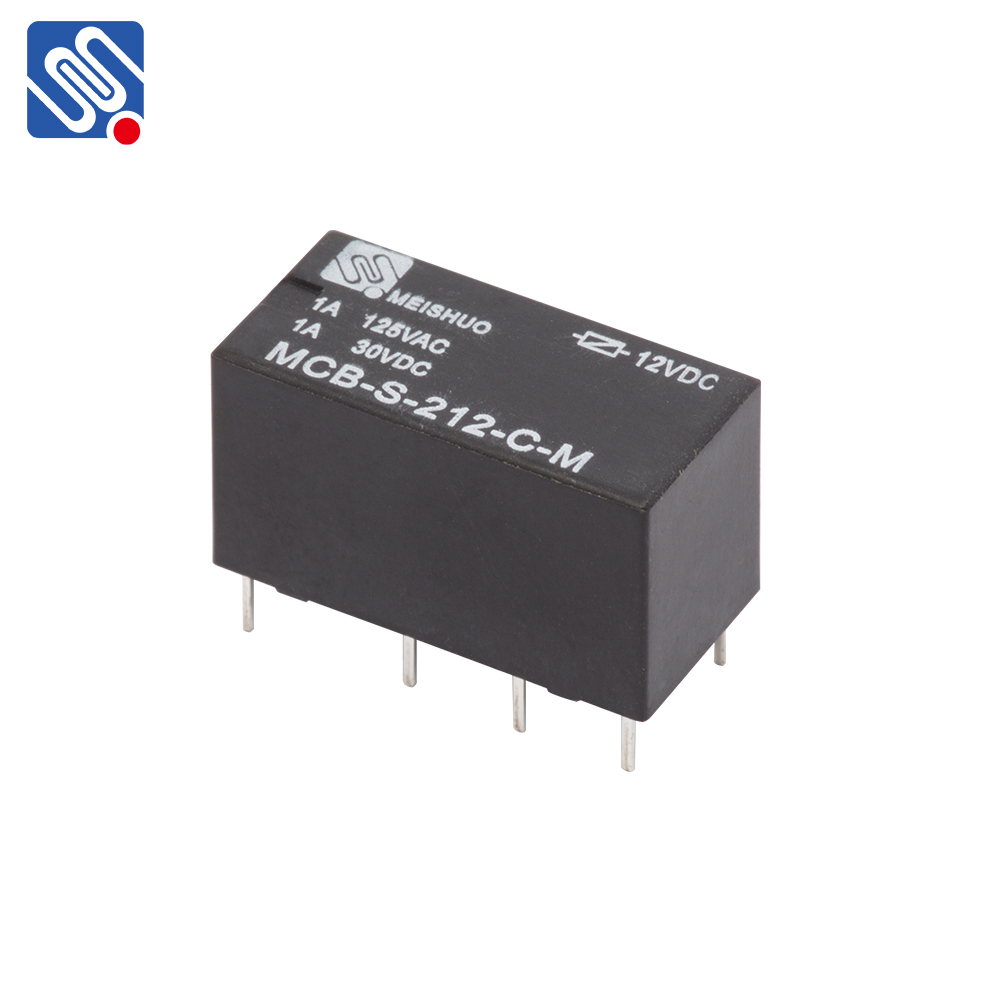
What Are Relay Signals? A relay works by using a small control signal, usually in the form of an electric current or voltage, to operate a switch that controls a larger electrical load. The control signal energizes a coil within the relay, which in turn creates a magnetic field that activates mechanical contacts, either opening or closing them. These contacts then manage the flow of current to the output circuit, which may be powering a machine, light, motor, or other electrical equipment. In simpler terms, a relay acts as a signal intermediary between a low-voltage control circuit and a high-voltage power circuit, allowing operators to use low-power signals to control heavy machinery safely.
Leave a Reply