As the world continues to transition towards more sustainable and efficient energy solutions, lithium batteries have become an integral part of this transformation. Lithium-ion technology powers everything from electric vehicles (EVs) to portable electronics, offering a greener alternative to traditional energy sources. However, the safety and performance of these batteries heavily depend on the components that go into their design and manufacture. One such critical component is the lithium battery valve, an often overlooked yet vital part of battery safety systems. In recent years, China has emerged as a dominant player in the global lithium battery valve manufacturing industry, providing cutting-edge technology, high-quality products, and unparalleled manufacturing capabilities.
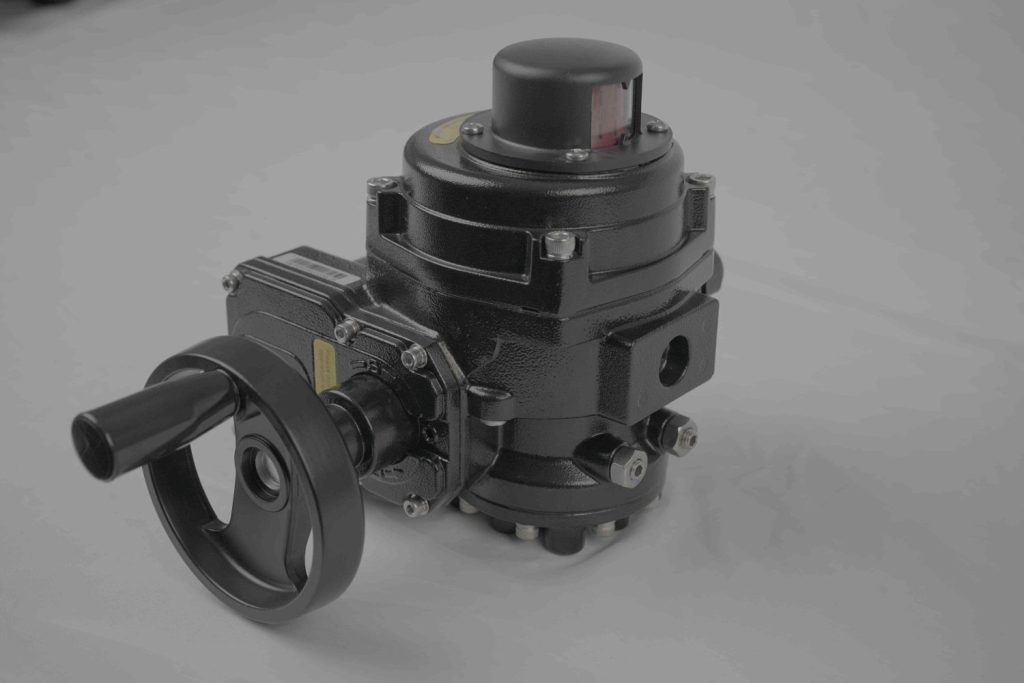
The Role of Lithium Battery Valves Lithium battery valves play an essential role in ensuring the safety of batteries by regulating internal pressure, controlling leakage, and preventing catastrophic failures. They are designed to prevent the build-up of excessive pressure within the battery cells, which could lead to leakage, rupture, or even explosion. The valve essentially acts as a pressure relief system, ensuring that the battery operates within safe conditions. Without a properly functioning valve, the battery’s risk of overheating or failure increases significantly. Battery valves are typically found in the form of safety vent valves, burst valves, or pressure relief valves. These valves are usually equipped with diaphragms or membranes that are activated when the internal pressure reaches a certain threshold. Once activated, the valve releases the excess pressure, thereby preventing any damage to the battery structure or the devices they power.
Leave a Reply