In the fast-paced world of modern manufacturing, businesses are continually seeking innovative strategies to improve production efficiency and reduce costs. One such strategy that has gained traction is Relay Production. This approach emphasizes seamless workflows, rapid information exchange, and an adaptable production system, making it increasingly relevant in today’s competitive landscape. In this article, we will explore the core principles of Relay Production, its benefits, and some practical applications in various industries.
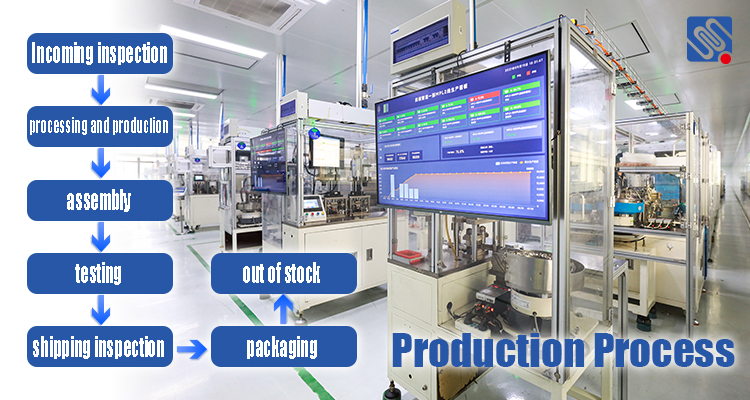
At its core, Relay Production is centered around the idea of continuous production flow. Unlike traditional manufacturing systems that might have distinct, isolated stages, Relay Production enables a more integrated approach where materials, information, and tasks move fluidly between different stations. This continuous flow minimizes downtime and ensures that the production line remains active, thereby maximizing output. One of the essential components of Relay Production is its focus on information sharing. In this model, real-time data becomes the backbone of decision-making processes. By implementing technologies such as the Internet of Things (IoT) and data analytics, manufacturers can monitor production metrics and receive immediate feedback on their performance. This capability enables rapid adjustments to be made in response to fluctuations in demand or operational challenges, thus enhancing the overall agility of the production process.
Leave a Reply