Relay wiring is a fundamental concept in electrical engineering and automation that enables the control of high-power devices with low-power signals. This capability makes relays essential in various applications, ranging from simple home appliances to complex industrial systems. In this article, we will delve deep into the workings of relay wiring, its components, types, connection methods, and safety considerations.
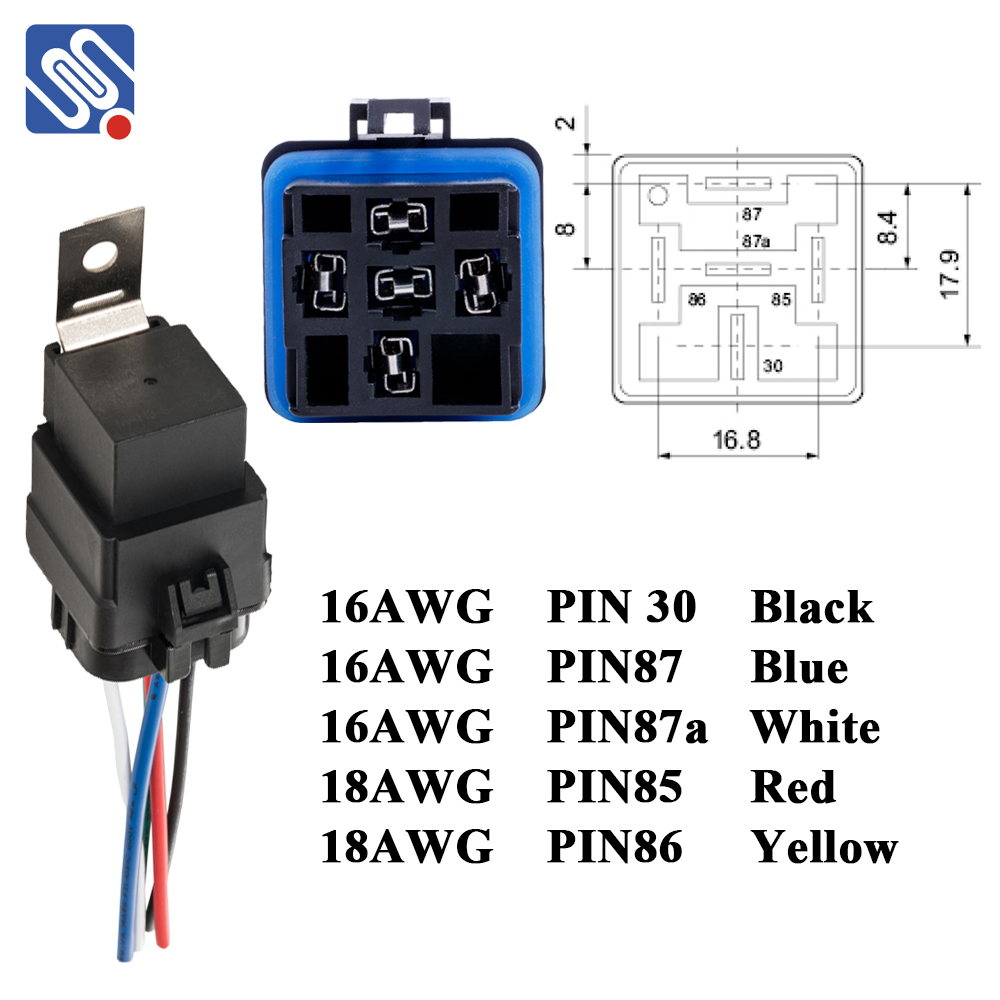
What is a Relay? A relay is an electromechanical switch that opens or closes a circuit in response to an electrical signal. The primary function of a relay is to control a high-power circuit using a low-power signal. In essence, it acts as a bridge that connects a low-voltage control circuit to a high-voltage or high-current load circuit. Key Components of a Relay Understanding the components of a relay is crucial for effective relay wiring: Coil: The coil is an electromagnetic component that generates a magnetic field when current flows through it. This magnetic field attracts a movable armature, which in turn opens or closes the relay contacts.
Leave a Reply