As the world transitions towards cleaner energy sources, hydrogen has emerged as a promising alternative fuel, particularly in the quest for sustainable energy solutions. One of the key components facilitating the efficient use and transport of hydrogen is the electric flanged soft seal butterfly valve. This article delves into the features, advantages, and applications of this vital valve type in the hydrogen energy sector.
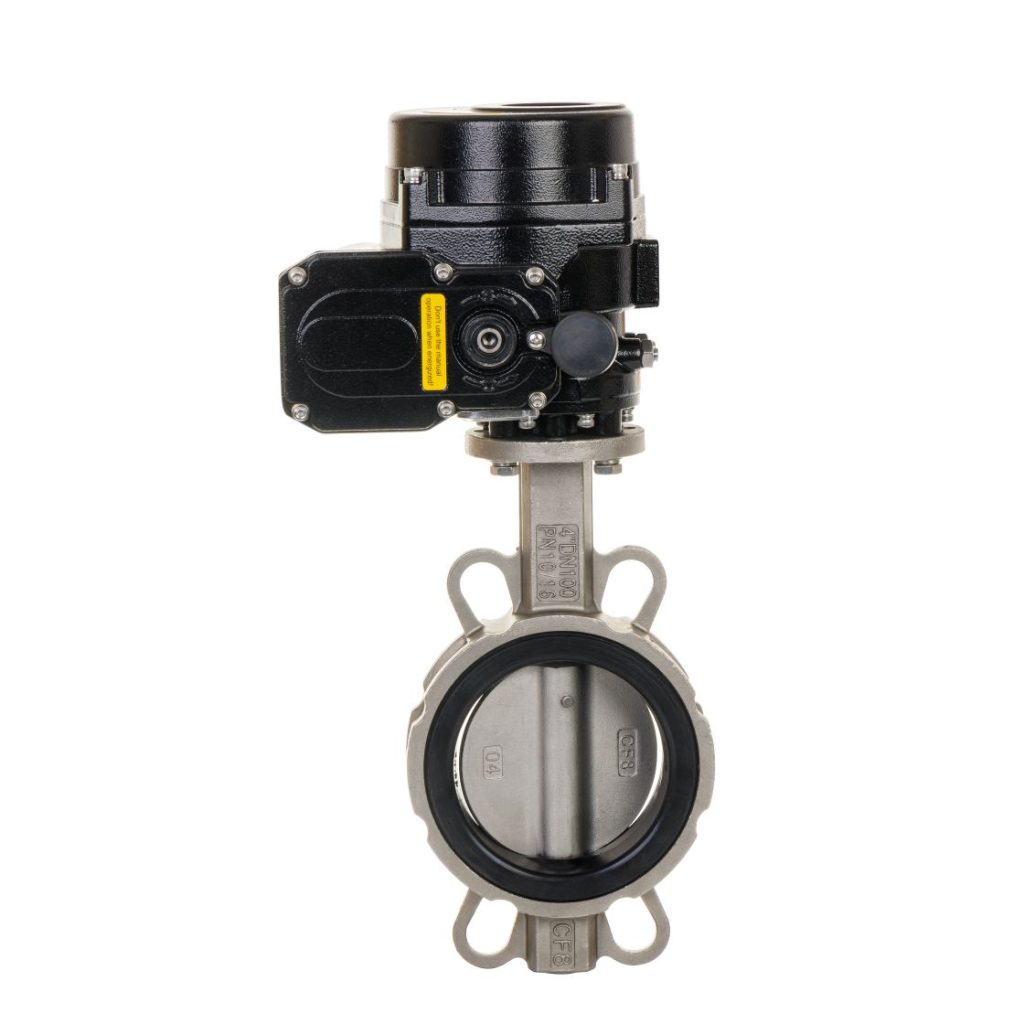
Understanding the Butterfly Valve
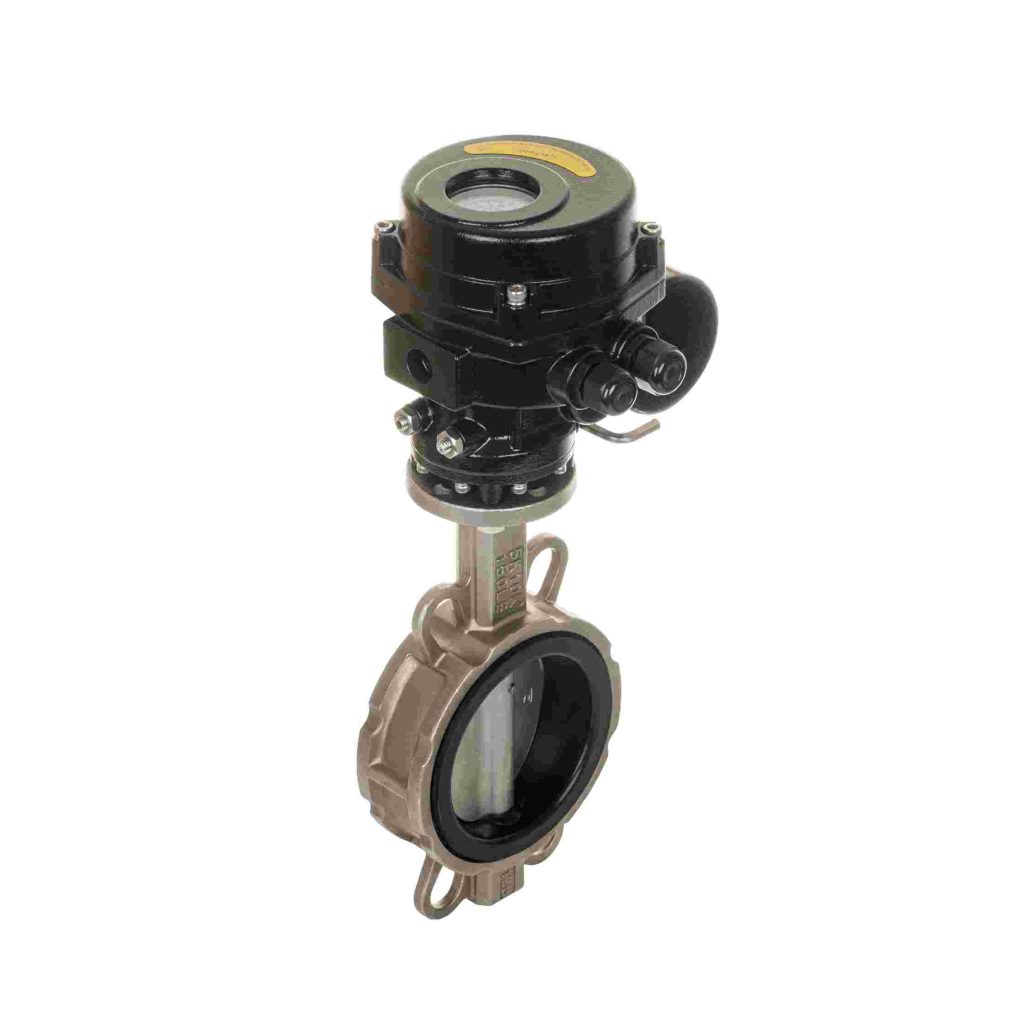
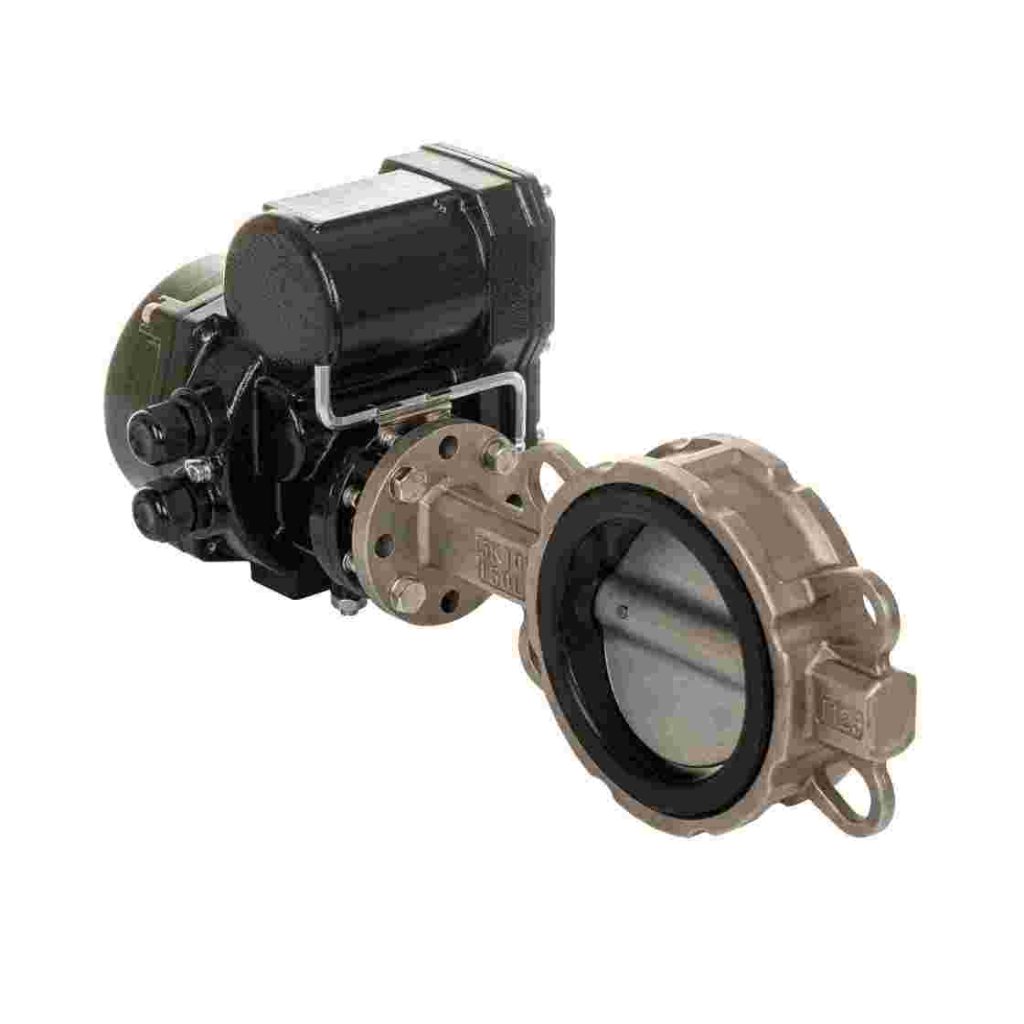
Butterfly valves are quarter-turn valves that use a rotating disc to regulate flow. When the disc is turned parallel to the flow direction, the valve opens, allowing fluid to pass through. Conversely, when the disc is perpendicular, the valve closes, effectively stopping the flow. The design of butterfly valves is particularly beneficial in large pipe systems due to their compact size, lightweight nature, and ease of operation. Electric Actuation The electric flanged soft seal butterfly valve incorporates an electric actuator, which provides automated control over the valve’s operation. This feature is essential in applications where precise flow control is necessary, such as in hydrogen transport systems. Electric actuation allows for remote operation, integration into automated systems, and improved safety, as it reduces the need for manual handling.
Leave a Reply