In the realm of industrial automation, the interplay between various components plays a crucial role in ensuring efficient and reliable operations. Among these components, PLC (Programmable Logic Controller) control relay stands out as a pivotal element, seamlessly integrating the digital and electrical realms of control systems. This article delves into the fundamental concepts of PLC control relays, their functionalities, advantages, and applications.
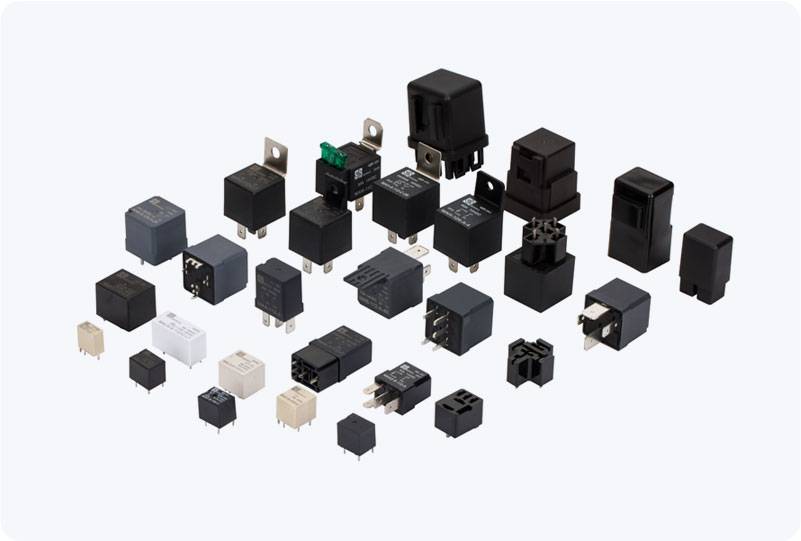
What is a PLC Control Relay? A PLC control relay is an electromechanical device that uses an electromagnetic coil to open or close electrical contacts, thereby controlling the flow of electricity to other devices in a circuit. While PLCs are responsible for executing control logic and decision-making processes, relays act as the physical switches that implement these decisions in the real world. This sophisticated interaction allows for the automation of complex industrial processes. How Does It Work? The operation of a PLC control relay involves a simple yet effective mechanism. When a PLC sends a control signal (usually in the form of a low-voltage direct current) to the relay, the electromagnetic coil is energized. This energizing creates a magnetic field, which moves an armature within the relay, ultimately opening or closing contact points. Depending on the design of the relay—either normally open (NO) or normally closed (NC)—the relay will either allow or interrupt the flow of electrical current to the connected load, such as motors, pumps, valves, or lighting systems.
Leave a Reply