Electric vehicles (EVs) have become a significant part of the automotive industry, driven by the need for sustainable transportation solutions and reducing dependence on fossil fuels. One of the critical components in ensuring the safe and efficient operation of electric vehicles is the Electric Vehicle High Voltage Relay. This device plays a crucial role in the high-voltage powertrain system of an electric car, allowing it to function efficiently and safely. In this article, we will explore the role, significance, and working of high-voltage relays in electric vehicles.
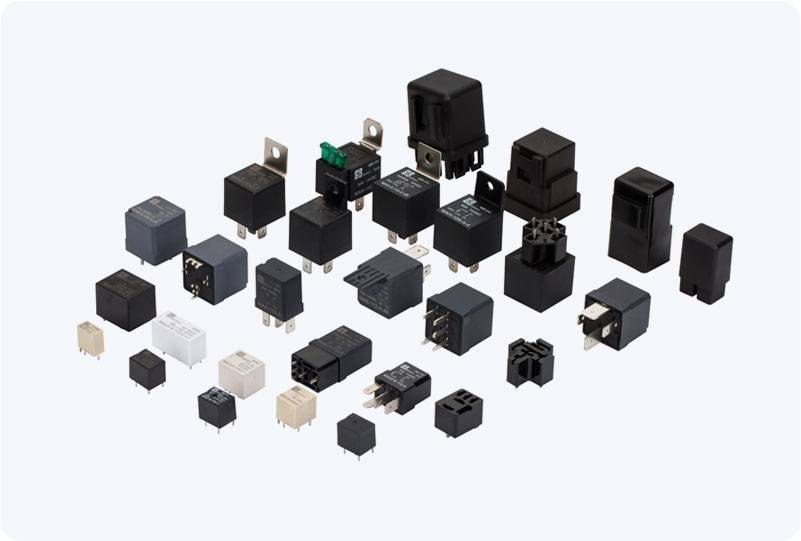
Understanding the High Voltage Relay An electric vehicle operates on a high-voltage system, typically ranging from 300V to 800V, which powers the battery, motor, and other electrical systems within the car. The Electric Vehicle High Voltage Relay is an electrical switch that manages the connection and disconnection of these high-voltage circuits, ensuring the safe and efficient operation of the vehicle. Core Function of Electric Vehicle High Voltage Relay Control of High Voltage Circuits The most essential function of the high voltage relay is to control the power flow between various high-voltage components, such as the battery and electric motor. In essence, it acts as a switch that connects and disconnects the battery from the rest of the system. This is necessary for situations where the battery needs to be isolated for safety or maintenance purposes.
Leave a Reply