In the realm of electronic switching devices, Solid State Relays (SSRs) stand out as an innovative solution that combines reliability, speed, and efficiency. Unlike traditional electromagnetic relays, which utilize mechanical components to control the flow of electricity, SSRs employ semiconductor technologies to achieve their switching functions. This article explores the components, working principles, benefits, and applications of Solid State Relays, illustrating why they have become a preferred choice in various industries.
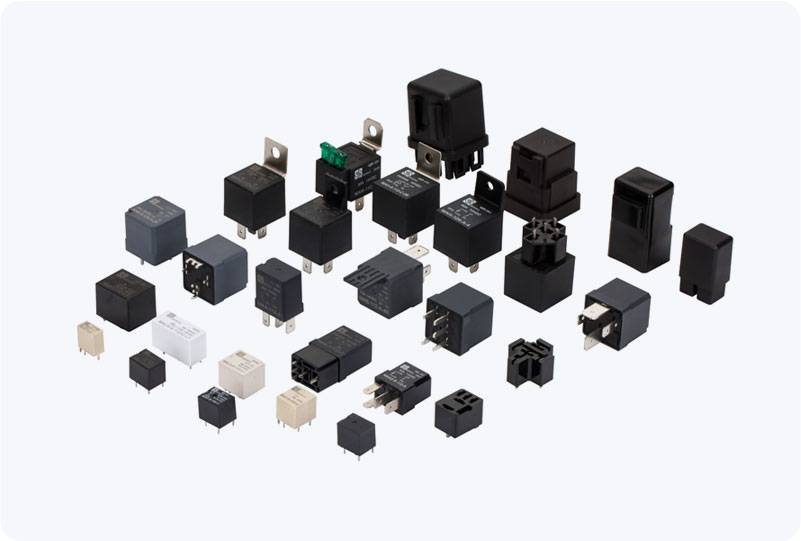
Components of Solid State Relays A typical Solid State Relay consists of several key components: Input and Output Terminals: The input terminal receives control signals, while the output terminal connects to the load, allowing current to pass through when the relay is activated. Optical Isolator: This component provides electrical isolation between the input and output sides of the relay. By converting electrical signals into light signals, it protects sensitive control circuits from high voltages and ensures safety in the system. Semiconductor Switching Element: Typically made from Silicon-controlled rectifiers (SCRs), Triacs, or MOSFETs, this device opens or closes the circuit based on the input signal.
Leave a Reply