In the realm of home and building automation, the 24V thermostat plays a crucial role in managing indoor temperatures effectively. This device not only enhances comfort but also contributes to energy efficiency and cost savings. In this article, we will explore the functionalities, types, installation processes, and benefits of a 24V thermostat, emphasizing its significance in modern heating and cooling systems.
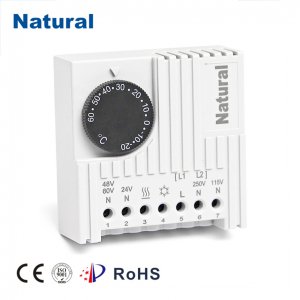
What is a 24V Thermostat?
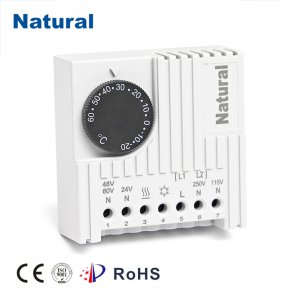
A 24V thermostat is a temperature-regulating device that operates on a 24-volt electrical system. This low-voltage setup is commonly used in residential and commercial HVAC (heating, ventilation, and air conditioning) systems. The 24V power supply is typically derived from a step-down transformer that converts higher voltage electricity from the main power supply into a lower voltage suitable for the thermostat’s operation. This design ensures safety, reliability, and compatibility with various HVAC components. How Does a 24V Thermostat Work? The primary function of a 24V thermostat is to monitor the ambient temperature of a space and regulate the HVAC system accordingly. When the temperature deviates from the setpoint (the desired temperature), the thermostat sends signals to the heating or cooling units to either activate or deactivate them.
Leave a Reply