Relay drive technology plays a pivotal role in modern electrical and automation systems. By using relays to control circuits, relay drives allow smaller control signals to switch larger currents and voltages, offering a reliable and cost-effective solution for a wide range of applications. In this article, we will explore the core principles of relay drives, their applications, and the benefits they bring to various industries.
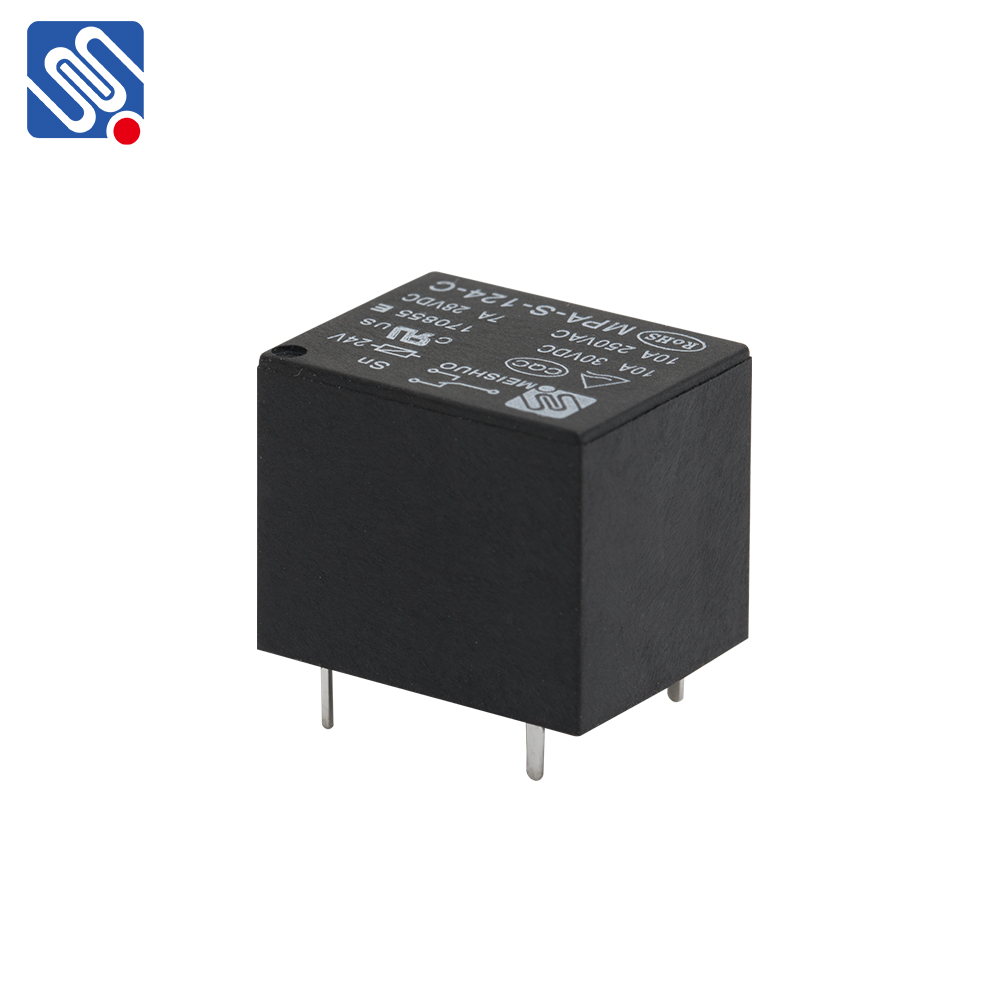
What is Relay Drive? A relay drive is a system that uses an electromagnetic relay to control an electrical circuit. A relay consists of a coil, which when energized, generates a magnetic field that causes the relay’s contacts to open or close. This allows the relay to either complete or break the circuit, enabling the control of larger electrical devices or systems through a relatively small control signal. Typically, relay drives are employed in scenarios where low voltage control signals are used to manage high voltage or high current loads. How Does a Relay Drive Work? The basic working principle behind a relay drive is simple but effective. When an electric current passes through the coil of a relay, it creates a magnetic field, which either pulls or pushes the contacts of the relay. If the control signal (usually a low voltage) is strong enough, the relay switches its contacts, completing or disconnecting the circuit.
Leave a Reply