The Explosion-proof Electric Screw Ball Valve is a critical piece of equipment designed to ensure safety, efficiency, and reliability in environments where flammable gases or liquids are present. These valves are commonly used in industries like oil and gas, chemical processing, pharmaceuticals, and power generation, where the risk of explosions can have catastrophic consequences. In this article, we will explore the design, applications, advantages, and significance of Explosion-proof Electric Screw Ball Valves in hazardous environments.
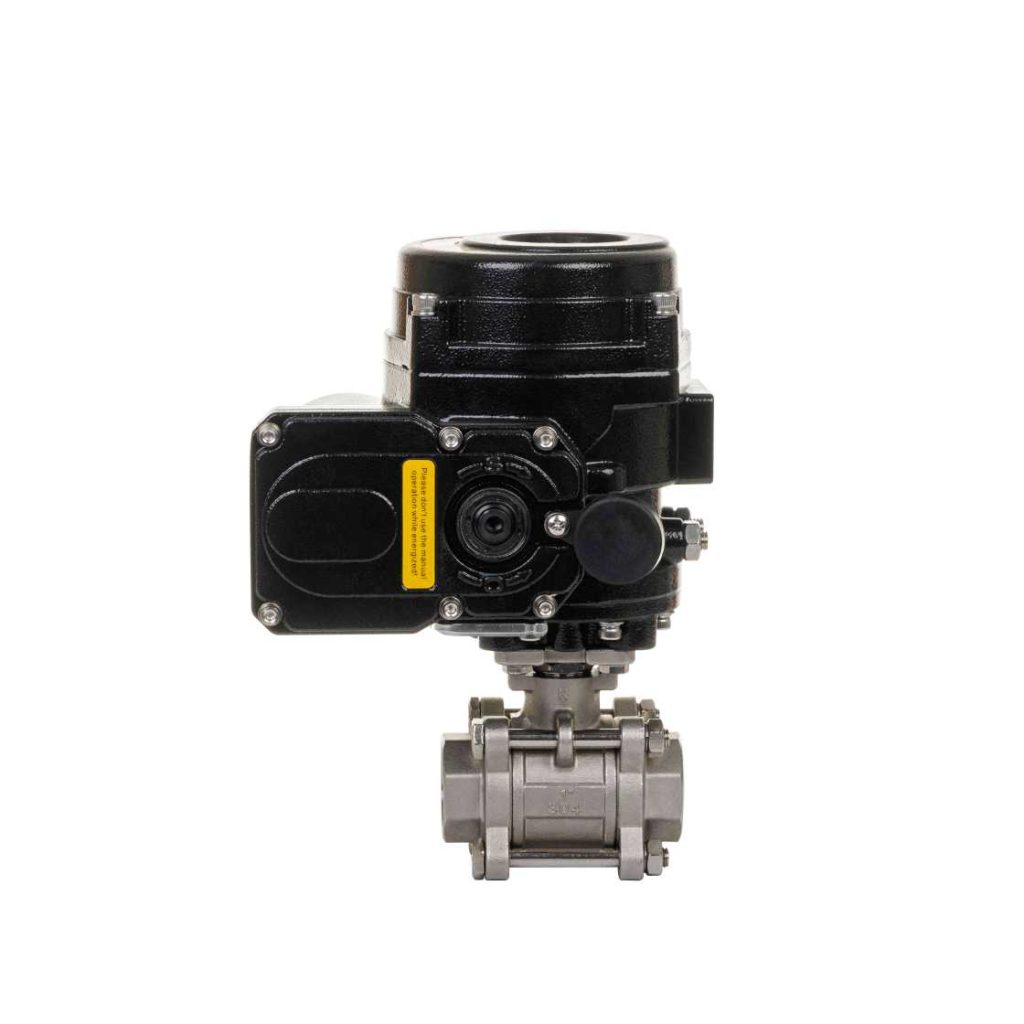
What is an Explosion-proof Electric Screw Ball Valve?
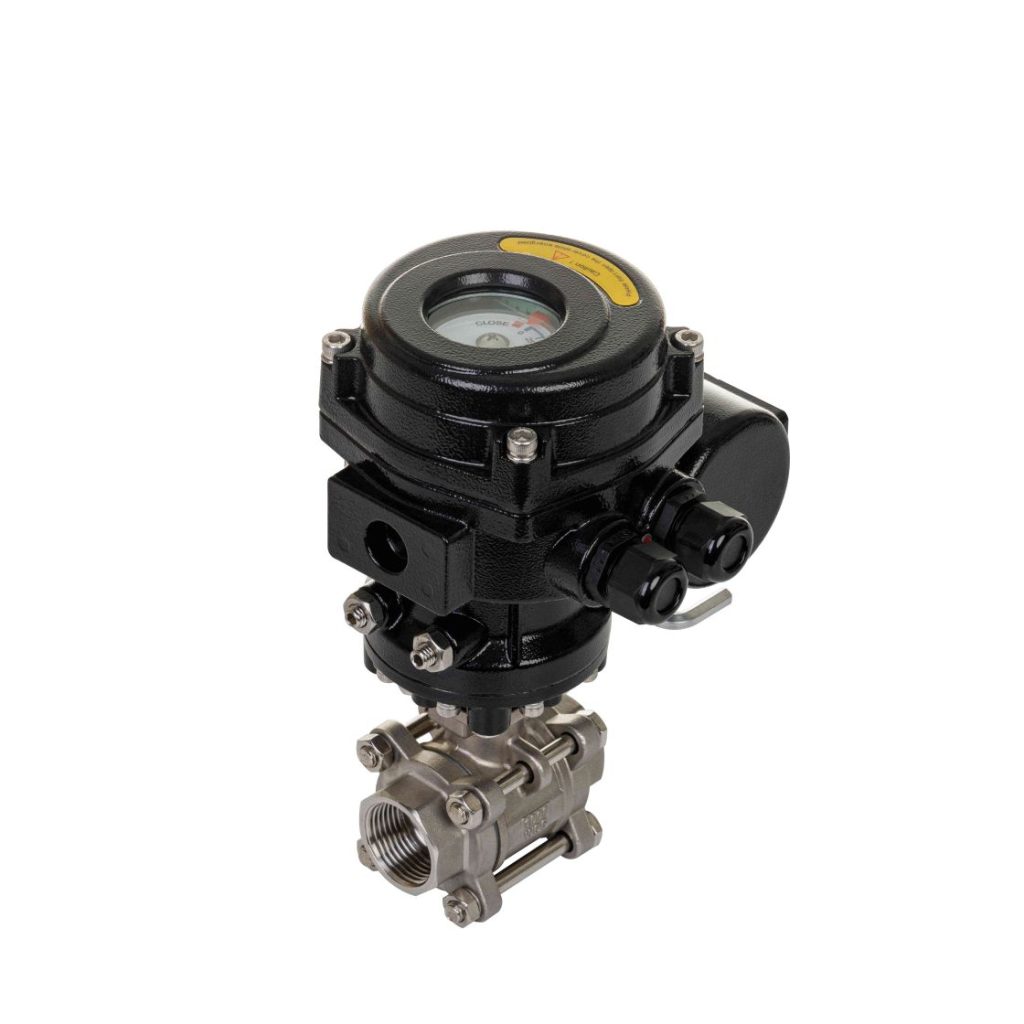
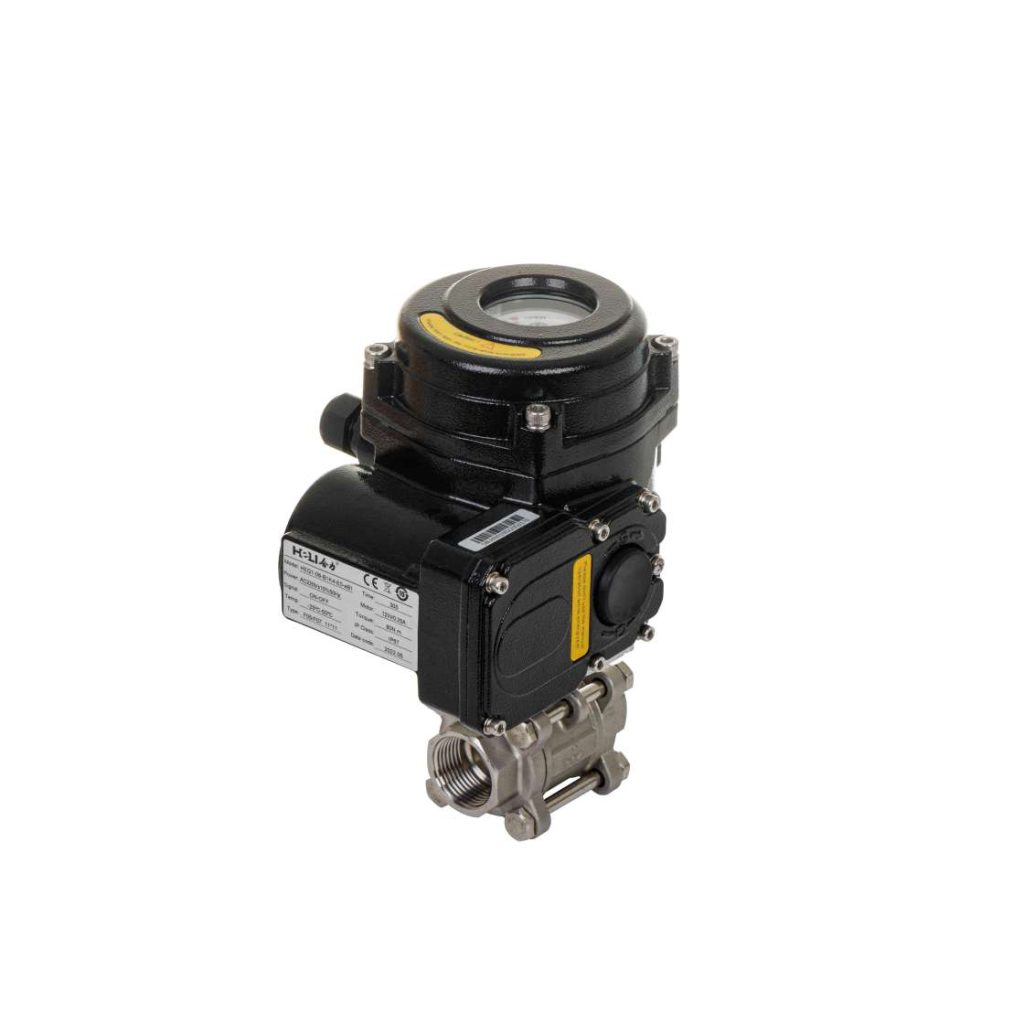
An Explosion-proof Electric Screw Ball Valve combines the functionality of a ball valve, which regulates the flow of liquids or gases, with electric automation for remote operation. The valve’s “explosion-proof” feature means that it is specifically built to operate safely in environments where there is a risk of explosions due to volatile substances. These valves are engineered to prevent the ignition of hazardous materials, ensuring the protection of both the equipment and personnel working in these environments. Key Features and Design The basic design of an Explosion-proof Electric Screw Ball Valve consists of a spherical ball with a hole in the middle that controls the flow of media. The ball rotates to either allow or stop the flow. The electric actuator is attached to the valve to control its position remotely, enabling automated operation without the need for manual intervention. The “explosion-proof” feature refers to the special materials and construction used in the valve’s housing, which are capable of containing or dissipating an explosion without igniting the surrounding atmosphere.
Leave a Reply